
.jpeg)
What important information is included in the labeling for lenvatinib/lenvatinib
Lenvatinib is a multi-target tyrosine kinase inhibitor that is widely used in the treatment of a variety of solid tumors. Its mechanism mainly inhibits tumor growth and metastasis by inhibiting various signaling pathways closely related to tumor angiogenesis, such as VEGFR, FGFR, PDGFRα, RET and KIT. The following are the core contents of the instructions for lenvatinib that patients and medical staff should pay attention to:
1. Analysis of indications
1. Differentiated thyroid cancer (DTC): Lenvatinib is suitable for the treatment of patients with iodine-refractory differentiated thyroid cancer who have local recurrence or metastasis and disease progression. Such patients respond poorly to radioactive iodine therapy and therefore require systemic oral targeted therapy.
2. Hepatocellular carcinoma (HCC): Lenvatinib is approved as a first-line treatment for unresectable hepatocellular carcinoma. The approval of this indication is based on its strong ability to inhibit the angiogenesis pathway, which can effectively delay tumor progression.
3. Renal cell carcinoma (RCC): Lenvatinib can be used in combination with pembrolizumab for the first-line treatment of patients with advanced renal cell carcinoma, and can also be combined with everolimus for advanced patients who have previously received anti-angiogenic therapy. Both combination strategies demonstrate synergistic anti-tumor effects by enhancing immunity and anti-angiogenesis.
4. Endometrial cancer (EC): For patients with advanced endometrial cancer who are not microsatellite instability high (MSI-H) or mismatch repair deficient (dMMR), lenvatinib can be combined with pembrolizumab for second-line treatment, especially when the patient is ineffective in first-line systemic therapy and is not suitable for surgery or radiotherapy. It shows good prospects.
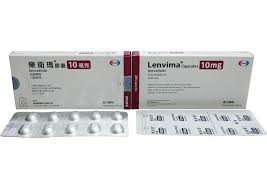
2. Detailed explanation of usage and dosage
The recommended dose of lenvatinib varies based on the indication and patient weight:
1. DTC: The recommended dose of a single drug is 24 mg, once a day, and can be taken on an empty stomach or with food. It is recommended to take it at a similar time every day to maintain a stable blood concentration.
2. HCC: Adjust the dose according to body weight. For those weighing ≥60 kg, 12 mg/day is recommended, and for those weighing <60 kg, 8 mg/day is recommended. This regimen reflects the weight-sensitive dose individualization of lenvatinib.
3. RCC: When first-line treatment is combined with pembrolizumab, the recommended dose is 20 mg/day, combined with 200 mg pembrolizumab intravenously every three weeks; when second-line treatment is combined with everolimus, the recommended dose is 18 mg/day, combined with 5 mg everolimus once daily. When using drugs in combination, you need to be alert to the risk of mutually reinforcing potential toxicities.
4. EC: Used in combination with pembrolizumab, the recommended dose is 20 mg/day, combined with pembrolizumab 200 mg intravenously once every three weeks. For patients with severe adverse reactions or impaired liver and renal function, dose adjustment needs to be considered.
3. Safety and Adverse Reaction Management
Common adverse reactions of lenvatinib include hypertension, fatigue, loss of appetite, diarrhea, hand-foot syndrome, etc. In severe cases, proteinuria, liver function damage, cardiotoxicity, etc. may occur. During the course of medication, blood pressure, liver and kidney function, and electrolyte levels need to be monitored regularly, and the dosage should be adjusted or treatment interrupted according to the level of toxicity.
Drug metabolism mainly depends on the liver, so patients with hepatic insufficiency should use it with caution and closely monitor liver enzyme changes in the early stages of treatment. At the same time, lenvatinib may interact with drugs related to metabolic pathways such as CYP3A4 and P-gp. It is recommended to evaluate the metabolic characteristics of combined drugs before use.
4. Taboos and precautions for use by special groups
Lenvatinib is not recommended for patients who are allergic to its components. Contraindicated in pregnant and nursing women due to possible harm to the fetus or infant. The safety of lenvatinib in children has not been established and its use is currently limited to adult patients.
Elderly patients do not need to adjust the dosage, but special attention should be paid to the increased risk of adverse reactions caused by decreased organ function. For patients with underlying cardiovascular disease, the risk needs to be assessed in advance and monitoring should be strengthened during medication.
5. Key points of drug management and patient education
Patients need to be informed of the importance of taking medications regularly and understand that they should seek medical attention promptly if they develop high blood pressure, severe diarrhea, persistent nausea and vomiting, or significant weight loss. At the same time, medical staff should explain to patients the immune-related adverse reactions that may occur during combined treatment, and encourage patients to make dietary adjustments and lifestyle interventions to alleviate common side effects such as fatigue and loss of appetite.
6. Summary
Lenvatinib, as an anti-tumor drug targeting multiple kinase pathways, has shown strong efficacy in a variety of advanced solid tumors such as thyroid cancer, liver cancer, renal cancer, and endometrial cancer. Its diverse combination drug strategies and personalized dosage settings for different weights and indications make it occupy a place in the development trend of precision medicine. Although the therapeutic effect is remarkable, its potential toxicity also requires great concern. Therefore, during clinical use, it is necessary to strictly control the indications, dosage, and monitoring indicators according to the guidelines, and dynamically adjust the plan according to the specific conditions of the patient to achieve the best balance between safety and efficacy.
Reference materials:https://www.lenvima.com/
[ 免责声明 ] 本页面内容来自公开渠道(如FDA官网、Drugs官网、原研药厂官网等),仅供持有医疗专业资质的人员用于医学药学研究参考,不构成任何治疗建议或药品推荐。所涉药品可能未在中国大陆获批上市,不适用于中国境内销售和使用。如需治疗,请咨询正规医疗机构。本站不提供药品销售或代购服务。


