
.jpeg)
Common feedback on the effects of Gilteritinib in clinical treatment
Gilitinib is an oral targeted drug specifically used to treat patients with acute myeloid leukemia (AML) who carry FLT3 gene mutations. FLT3Gene mutation is a common molecular abnormality with poor prognosis in AML patients. Traditional chemotherapy often has limited effect, and patients are prone to relapse or drug resistance. As a second-generation FLT3 inhibitor, giritinib can effectively target FLT3 tyrosine kinase, thereby inhibiting cancer cell proliferation and promoting apoptosis, making it an important treatment option for this type of patients.
In clinical treatment, the efficacy of giritinib is particularly outstanding. Data from multiple clinical trials show that giritinib can significantly improve the response rate and survival of patients with FLT3 mutated AML. Take the III phase ADMIRAL study as an example. This trial compared giritinib monotherapy with standard chemotherapy regimens. The results showed that the overall survival of patients in the giritinib group was significantly prolonged, and the response rate was also significantly improved. This study makes giritinib a standard treatment for patients with relapsed or refractory FLT3 mutated AML. In addition, the potential of giritinib in first-line treatment and post-transplantation maintenance therapy is also being further explored, aiming to extend patients' disease-free survival time and improve long-term survival rates.
Another advantage of giritinib in clinical application is its oral administration method, which is convenient for patients to use in outpatient or home settings, reducing the inconvenience of hospitalization and intravenous infusion. This is particularly important for improving patient quality of life, especially for chronic or relapsing patients who have been treated for a long time. In addition, the targeted nature of giritinib makes its side effects less severe than traditional chemotherapy, and it is better tolerated by patients and can maintain treatment for a longer period of time without serious side effects.
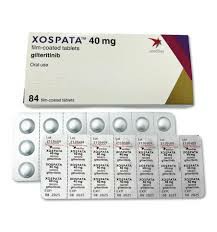
However, giritinib also has certain adverse reactions. Common side effects include fever, fatigue, nausea, thrombocytopenia, and abnormal liver function. Some patients may experience prolongation of the QT interval and require regular monitoring of cardiac function. During the medication process, the doctor will adjust the dosage or take symptomatic treatment according to the patient's specific condition to maximize patient safety and therapeutic effect. At the same time, a small number of patients may develop drug resistance, leading to a decrease in efficacy. This has also prompted researchers to actively explore new strategies for combining giritinib with other drugs to overcome the problem of drug resistance.
Based on feedback from patients and clinicians, giritinib has greatly enriched FLT3 mutationsAMLThe treatment method brings new hope, especially for relapsed and refractory patients. After receiving giritinib treatment, many patients' conditions have improved significantly, their blood levels have recovered, and their quality of life has improved, which is of great significance to patients and their families. Although giritinib is not a panacea, and some patients still have ineffective treatment or severe side effects, overall, its contribution to improving patient prognosis is significant.
In the future, as clinical research continues to deepen, the application scope of giritinib may be further expanded. Multiple clinical trials are evaluating its efficacy in different stages of treatment, including first-line treatment in newly diagnosed patients, postoperative maintenance, and combination with immunotherapy or other targeted agents. Researchers hope to improve patients' treatment response rate and survival rate by optimizing medication regimens. In addition, the development of new FLT3 inhibitors continues to advance, which is expected to provide patients with more choices.
In summary, giritinib, as a targeted therapy for FLT3mutationsAML, has shown significant efficacy and good safety in clinical treatment. It not only extends the patient's survival time and improves the remission rate, but also improves the patient's quality of life. Although there are certain risks of side effects and drug resistance, under the professional management and follow-up of doctors, giritinib provides valuable treatment opportunities for such high-risk patients. Future research will further improve the treatment strategy of giritinib so that it can play a greater role in the treatment of AML and help more patients achieve better treatment outcomes.
Reference materials:https://www.xospata.com/
[ 免责声明 ] 本页面内容来自公开渠道(如FDA官网、Drugs官网、原研药厂官网等),仅供持有医疗专业资质的人员用于医学药学研究参考,不构成任何治疗建议或药品推荐。所涉药品可能未在中国大陆获批上市,不适用于中国境内销售和使用。如需治疗,请咨询正规医疗机构。本站不提供药品销售或代购服务。


