
.jpeg)
Summary of common treatment effects after taking Tazemetostat
Tazemetostat is a new type of small molecule targeted drug, which is a histone methyltransferase EZH2 inhibitor. It is mainly used to treat certain malignant tumors, especially follicular lymphoma (FL) and epithelioid sarcoma (epithelioid sarcoma, ES) and other rare tumors. Since its launch, tazerestat has attracted widespread attention from clinicians and patients due to its unique mechanism of action and good tolerability. This article will summarize in detail the common therapeutic effects of tazerestat to help patients and medical staff better understand the clinical performance of this drug.
First of all, tazerestat has shown significant anti-tumor activity in the treatment of patients with follicular lymphoma. Follicular lymphoma is a common low-grade malignant non-Hodgkin lymphoma. Traditional treatments include chemotherapy, immunotherapy, etc., but there are many relapsed and refractory cases. Clinical trial data show that tazerestat, as a monotherapy, can exert a certain effect on patients with EZH2 gene mutations or wild-type. Among treated patients, some experienced tumor size reduction, lesion remission, or even complete remission. Specifically, the overall response rate reached approximately 69% (EZH2 mutation patients) and 35% (wild-type patients), indicating that the drug has certain efficacy in different genetic backgrounds.
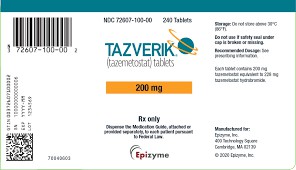
Secondly, the application of tazerestat in patients with epithelioid sarcoma has also made positive progress. Epithelioid sarcoma is a rare and aggressive soft tissue tumor with limited conventional treatments. Clinical studies have shown that tazerestat can effectively inhibit the activity of EZH2 enzyme and block the abnormal proliferation of tumor cells. In some patients, tumor stabilization or even partial shrinkage occurred after treatment. Especially after failure of multiple lines of treatment, tazerestat provides a new treatment option for patients, extending progression-free survival (PFS) and overall survival (OS).
Furthermore, the safety and tolerability of tazerestat are relatively good, and patients are generally able to tolerate long-term treatment. Common side effects include fatigue, nausea, diarrhea, loss of appetite, and hematological abnormalities such as anemia, leukopenia, etc. Most of them are mild to moderate, and most patients can be controlled through dose adjustment or supportive treatment. Compared with traditional chemotherapy regimens, tazetostat has milder side effects and helps patients maintain a better quality of life, which is particularly important in chronic treatment.
Finally, the therapeutic effect of tazerestat showed a certain persistence with continued administration. Clinical data shows that some patients still maintain tumor control and delay disease progression after several months or even more than a year of treatment. In addition, tazerestat has also shown potential in multiple combination treatment studies and is expected to be combined with other treatments such as immunotherapy and chemotherapy in the future to improve treatment effects.
In summary, tazerestat, as an innovative EZH2 inhibitor, has achieved positive clinical results in the treatment of tumors such as follicular lymphoma and epithelioid sarcoma. Its significant anti-tumor activity, good tolerability and durable efficacy provide patients with new treatment hope. As more clinical studies advance, the indications and treatment strategies of tazetostat will continue to be enriched, and we expect it to play a greater role in the field of tumor treatment. When using tazerestat, patients should strictly abide by medical instructions and conduct regular efficacy and safety evaluations to ensure the best therapeutic effect.
Reference materials:https://www.tazverik.com/
[ 免责声明 ] 本页面内容来自公开渠道(如FDA官网、Drugs官网、原研药厂官网等),仅供持有医疗专业资质的人员用于医学药学研究参考,不构成任何治疗建议或药品推荐。所涉药品可能未在中国大陆获批上市,不适用于中国境内销售和使用。如需治疗,请咨询正规医疗机构。本站不提供药品销售或代购服务。


