
.jpeg)
Is Encorafenib suitable for patients with rectal cancer?
Canafenib (Encorafenib) is an oral small molecule kinase inhibitor targeting BRAF V600 mutations. It was initially mainly used to treat BRAF mutation-positive melanoma patients. In recent years, with in-depth research on the molecular characteristics of tumors, the indications of canafenib have been gradually expanded to include certain types of colorectal cancer, especially patients with metastatic colorectal cancer carrying BRAF V600E mutations.
For patients with rectal cancer, canafenib is often considered as part of targeted therapy if the BRAF V600E mutation is detected in the tumor. Clinical trials have shown that the combination of canafenib and another targeted drug cetuximab (cetuximab) can effectively inhibit the tumor growth of BRAF mutant colorectal cancer and significantly extend the progression-free survival and overall survival of patients. This combination therapy has been recommended by relevant guidelines in many countries as a first- or second-line treatment for BRAF V600E-positive metastatic colorectal cancer.
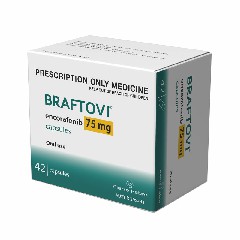
However, canafenib is not suitable for all patients with rectal cancer. Only patients confirmed by genetic testing to carry the BRAF V600E mutation may benefit from this drug. Therefore, treatment decisions for rectal cancer should be based on accurate molecular diagnosis to ensure the rational use of targeted drugs and avoid ineffective treatments and unnecessary side effects.
In summary, canafenib is an important treatment option for patients with metastatic rectal cancer carrying the BRAF V600E mutation, especially when combined with other targeted drugs. Patients should undergo genetic testing and treatment plan formulation under the guidance of professional oncologists to obtain the best treatment results.
Reference materials:https://www.braftovi.com/
[ 免责声明 ] 本页面内容来自公开渠道(如FDA官网、Drugs官网、原研药厂官网等),仅供持有医疗专业资质的人员用于医学药学研究参考,不构成任何治疗建议或药品推荐。所涉药品可能未在中国大陆获批上市,不适用于中国境内销售和使用。如需治疗,请咨询正规医疗机构。本站不提供药品销售或代购服务。


