
.jpeg)
What is the correct way to take dabrafenib? Recommended dosage and timing of medication
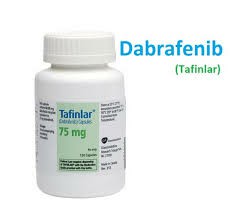
Dabrafenib is an oral BRAF inhibitor, mainly used to treat advanced melanoma, non-small cell lung cancer, thyroid cancer and other cancers carrying BRAF V600E mutations. It is often used in combination with the MEK inhibitor trametinib (Trametinib) to enhance the therapeutic effect and delay the occurrence of drug resistance. The correct method of taking dabrafenib is crucial to the efficacy and safety of dabrafenib. The following will provide detailed instructions on dosage recommendations, medication timing, precautions, and combined medication to help patients use the drug scientifically and standardizedly.
1. Recommended dosage and usage
The standard recommended dose of dabrafenib is 150mg twice daily, for a total daily dose of 300mg. Under normal circumstances, patients need to take it once a day in the morning and evening, and the time interval between two doses should be kept at about 12 hours. It is recommended to take two 150mg capsules each time, that is, a total of 300mg/ days. This dose is suitable for most adult patients, but for some patients with poor tolerance due to adverse reactions or abnormal liver and kidney function, doctors may make dose adjustments based on specific circumstances, such as reducing it to 100 mg or 75 mg each time, etc.
It must be emphasized that before using dabrafenib, patients should confirm whether they carry the BRAF V600E or V600K mutation, which is a prerequisite for the drug to be effective. Before taking the medicine, a genetic test report should be issued by a doctor to determine whether the medicine is suitable for use.
2. Medication timing and medication specifications
Dabrafenib should be taken on an empty stomach, and no food should be eaten within 1 hours before taking the drug or 2 hours after taking the drug. This is because food will affect the absorption efficiency of dabrafenib and reduce its blood concentration, thereby affecting the efficacy. When taking, swallow the capsule whole and do not chew, crush or open the capsule. Take the medicine with a full glass of warm water. Avoid taking it with acidic drinks (such as orange juice, carbonated drinks) or high-fat meals.
Taking twice a day should be done at a fixed time as much as possible, such as 8 o'clock in the morning and 8 o'clock in the evening. If you forget to take the medicine, but there are more than 6 hours before the next dose, you can take it immediately; if it is less than 6 hours before the next dose, you should skip that time and do not take it again to avoid overdose. Patients should keep good medication records and report their medication status to their doctors regularly.
3. Precautions when used in combination with other drugs
In treatment, dabrafenib is often used in combination with trametinib (Trametinib) to form a BRAF+MEK dual inhibition strategy. This combination can extend progression-free survival and reduce the risk of drug resistance. In the combination regimen, trametinib is usually taken once daily at a dose of 2 mg. The dosage time of trametinib and dabrafenib should be coordinated, but the two do not have to be taken at the same time.
In addition, patients should be careful when using other drugs while taking dabrafenib, especially drugs that affect the enzyme activity of CYP3A4, such as certain antibiotics (rifampicin), anti-epileptic drugs (carbamazepine) or herbal medicines (St. John's wort). These may affect the metabolism of dabrafenib, thereby weakening the efficacy or aggravating toxic reactions. Patients should proactively inform their doctors about all medications and supplements they are taking so that a safe combination regimen can be developed.
4. Possible adverse reactions and management suggestions
Common adverse reactions of dabrafenib include fever, fatigue, rash, joint pain, nausea, vomiting, etc. Fever is the most common side effect. Some patients may experience high fever or even chills, dehydration, electrolyte imbalance, etc., and require timely cooling and fluid rehydration. If the body temperature exceeds 38.5°C, you should immediately stop taking dabrafenib and contact your doctor, and then resume treatment as appropriate after the symptoms are relieved.
In addition, liver function, heart function and skin condition need to be monitored regularly during medication, because dabrafenib may lead to increased liver enzymes, prolongation of QT interval, and risks of secondary skin tumors. Doctors usually arrange blood, electrocardiogram, skin examination, etc. at the initial stage of treatment and regularly during the treatment to ensure the safety of medication.
In short, dabrafenib is a precision treatment drug that is highly dependent on genetic mutation targets, and patients should strictly follow the doctor's instructions when taking it. Reasonable medication dosage, standardized medication time, good fasting status and sensitive monitoring of adverse reactions are the keys to achieving the best therapeutic effect. It is recommended that patients maintain close communication with their doctors throughout the treatment cycle, report any abnormal reactions in a timely manner, and adjust the dose or suspend medication if necessary. Only when dabrafenib is taken scientifically and standardizedly can it fully unleash its anti-cancer potential and improve treatment success rate and quality of life.
Reference materials:https://go.drugbank.com/drugs/DB08912
[ 免责声明 ] 本页面内容来自公开渠道(如FDA官网、Drugs官网、原研药厂官网等),仅供持有医疗专业资质的人员用于医学药学研究参考,不构成任何治疗建议或药品推荐。所涉药品可能未在中国大陆获批上市,不适用于中国境内销售和使用。如需治疗,请咨询正规医疗机构。本站不提供药品销售或代购服务。


