
.jpeg)
What is the difference between obeticholic acid and ursodeoxycholic acid?
Obeticholic acid (Obeticholic acid) and ursodeoxycholic acid (Ursodeoxycholic acid, UDCA) are the two main drugs currently used to treat primary biliary cholangitis (PBC). They are essentially different in terms of mechanism, indications, user population and clinical positioning. Ursodeoxycholic acid is a natural product of bile acid metabolism. Its main mechanism of action is to promote bile secretion and reduce the accumulation of toxic bile acids, thereby protecting bile duct epithelial cells and slowing down the progression of liver fibrosis. It is currently a first-line treatment drug widely recommended by international guidelines. It is well tolerated and relatively affordable, making it the first choice for patients newly diagnosed with PBC.
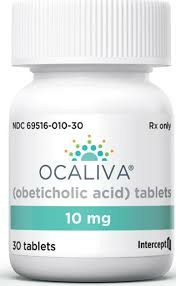
Obeeticholic acid is a farnesoidX receptor (FXR) agonist with a more complex effect. It can regulate bile acid synthesis and metabolism, reduce the production of toxic bile acids from the source, and has anti-inflammatory and anti-fibrotic potential effects. Compared with ursodeoxycholic acid, OCA is often used in patients with PBC who have an inadequate response to UDCA, a so-called "second-line treatment" regimen. In some foreign studies, obeticholic acid has been shown to further reduce liver enzyme indicators, which may bring clinical benefits, especially in patients with poor response to ursodeoxycholic acid treatment.
However, there are also significant differences in security between the two. Ursodeoxycholic acid has strong tolerance, fewer side effects, and is suitable for a wide range of people. Obeticholic acid requires close monitoring of liver function during medication. Especially for patients with reduced liver function or cirrhosis, its use needs to be very cautious. In addition, obeticholic acid may cause or aggravate symptoms such as itching and cholestasis, and some patients may not be able to tolerate it.
In general, ursodeoxycholic acid is the "basic drug" for the treatment of PBC and is suitable for long-term use by most patients, while obeticholic acid is mainly used as a supplementary treatment for patients who are ineffective or have partial response to ursodeoxycholic acid. The two are not simply substitutes, but complementary and parallel, and individual selection must be made based on the patient's specific condition and biochemical indicators. The doctor will decide whether to combine or change the treatment plan based on the patient's response.
Reference materials:https://en.wikipedia.org/wiki/Obeticholic_acid
[ 免责声明 ] 本页面内容来自公开渠道(如FDA官网、Drugs官网、原研药厂官网等),仅供持有医疗专业资质的人员用于医学药学研究参考,不构成任何治疗建议或药品推荐。所涉药品可能未在中国大陆获批上市,不适用于中国境内销售和使用。如需治疗,请咨询正规医疗机构。本站不提供药品销售或代购服务。


