
.jpeg)
Combination of azatilizumab, ruxolitinib, and besudil causes reactions in chronic GVHD
Axatilimab csfr (axatilimab csfr) plus ruxolitinib (Jakafi) with or without Belumosudil resulted in responses in heavily pretreated patients with chronic graft-versus-host disease (cGVHD), according to data from a retrospective study presented in 2025.
In a single-center retrospective study of eight heavily pretreated patients, the overall response rate (ORR) was 25% by consensus criteria and 75% by clinically significant symptom improvement (CSSI) criteria, demonstrating the clinical benefit of combination therapy in severely pretreated patients with cGVHD. This is the first report of the use of azatilizumab in combination with ruxolitinib tablets and/or besudil and demonstrates that combination with CSF-1R, JAK2, and ROCK2 inhibition is feasible, tolerable, and may yield clinical benefit in highly refractory cases of cGVHD.
Azatilizumab, a CSF-1R blocking antibody, is the most recently approved treatment for cGVHD and can be used after at least 2 courses of systemic therapy. The phase 3 AGAVE-201 trial (NCT04710576) that led to the approval did not allow combination with other cGVHD therapies such as ruxolitinib and besudil. Patients in this study received treatment before azatilizumab was approved between January 1, 2022, and July 4, 2024. They received a dose of 0.3 mg/kg every 2 weeks, which is the FDA-approved dose. The study's primary endpoint was ORR at 24 weeks, measured by NIH consensus criteria and provider-considered CSSI. Safety measures, such as frequency and severity of treatment-related adverse events (AEs), were also reported.
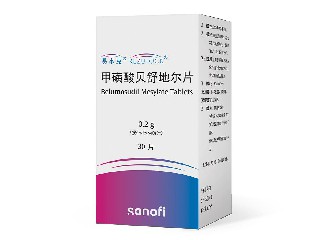
The standard isObjective grading scale for cGVHD, which classifies the disease as mild, moderate, or severe based on the number of organs involved and the severity of symptoms. Measurements were also taken based on the CSSI, a subjective rating scale assessed by providers and also includes patient symptom reports. This becomes an important component of the assessment of GVHD in patients with severe and treatment-refractory disease, as even an improvement in symptoms may mean a meaningful impact on quality of life. Four of the patients were male and four were female. Six received myeloablative conditioning and two received reduced intensity conditioning. All received allogeneic hematopoietic cell transplantation from peripheral blood; 5 from matched unrelated donors and 3 from related donors. They developed GVHD for a median of 5.1 months (range, 4.0-9.1), and the median time from diagnosis to starting azatilizumab was 21.1 months. Their diagnostic grade of cGVHD was mild in 4 patients, moderate in 3, and severe in 1 patient, but at the time of initiation of azatilizumab, all patients had severe GVHD and 5 patients had scleroderma skin involvement, 2 of which had greater than 50% body surface area. One patient had bronchiolitis obliterans.
They had received a median of5 treatment regimens (range, 4 to 9); all patients had been treated with ruxolitinib and besudil, and 4 had been treated with the combination. When they received azatilizumab, four patients were treated with both ruxolitinib and besudil, three patients were treated with besudil alone, and one patient was treated with ruxolitinib. Of the 6 partial responders to CSSI, 4 received azatilizumab, ruxolitinib, and besudil, 1 received azatilizumab and ruxolitinib, and 1 received azatilizumab and besudil. These combinations do not have a complete response. Best response was reported in 5 patients (62.5%) with stable disease by NIH, in 1 patient (12.5%) by CSSI criteria, and in 1 patient (12.5%) with progressive disease by both NIH and CSSI criteria.
According toNIH standards, the median response time was 71 days and the response duration was 295 days. According to CSSI standards, the response durations were 103 days and 219 days respectively. Three patients who received initial response to CSSI subsequently experienced disease progression and discontinued besudil. In terms of organ-specific responses, among 7 patients with cutaneous GVHD, the NIH ORR was 15% and CSSI was 43%. Among the 4 patients with oral involvement, the NIH ORR was 25% and CSSI was 75%. The ORR in 2 CSSI patients with pulmonary involvement was 50%, and the ORR in 5 CSSI patients with musculoskeletal involvement was 20%.
Some of the responses here include improvement in sclerosis, improvement in skin and mouth ulcers, improvement in range of motion of infected joints, and reduction in dyspnea during exercise, which were all measurable but not significant enough to impact their NIH grade. Serum cytokines were observed to assess the degree of inflammation and immune dysregulation caused by GVHD. Six CSSI responders had reduced or normalized levels of interleukin-6, interleukin-2R, and interleukin-10, while an additional patient with progressive disease had elevated levels of these cytokines at the time of evaluation.
No patient discontinued azatilizumab due to intolerance, and there were no fatal casesAE report. The incidence of anemia was 5, with 3 cases of grade 1, 1 case of grade 2 and 3 respectively. There were grade 2 grade 2 and grade 1 grade 3 viral upper respiratory tract infections. Three serious AEs of grade 3 or higher were reported in the same patient, namely septic arthritis, osteomyelitis, and elevated gamma-glutamyl transferase (GGT). Treatment of emergent AEs leading to elevated GGT was discontinued, and dose reduction was performed in patients with grade 2 fatigue.
Althoughthe ORR was lower than the 74% found in AGAVE-201, the patients analyzed here were more severely ill, and 50% of the patients had failed to respond to the combination of ruxolitinib and besudil.
Reference: https://www.onclive.com/view/axatilimab-ruxolitinib-and-belumosudil-elicits-responses-in-chronic-gvhd
[ 免责声明 ] 本页面内容来自公开渠道(如FDA官网、Drugs官网、原研药厂官网等),仅供持有医疗专业资质的人员用于医学药学研究参考,不构成任何治疗建议或药品推荐。所涉药品可能未在中国大陆获批上市,不适用于中国境内销售和使用。如需治疗,请咨询正规医疗机构。本站不提供药品销售或代购服务。


