
.jpeg)
To explore the comparison of cabozantinib/nivolumab and lenvatinib/pembrolizumab in first-line advanced renal cancer
According toa retrospective analysis presented at the 2025 American Urological Association Annual Meeting, cabozantinib (Cabozantinib) plus nivolumab (nivolumab) and Lenvatinib/lenvatinib plus pembrolizumab as first-line treatment for advanced renal cancer (RCC) yields modest insights into regimen selection.
Among the effective population of the study (n=92), 42 of 53 patients (79.3%) who received C+N treatment responded to treatment, while 17 of 39 patients (43.6%) who received L+P treatment responded (P=0.005). The partial response rate, complete response rate and stable disease rate of C+N and L+P were 75.5% vs. 35.9%, 3.8% vs. 7.7%, and 20.8% vs. 51.3%, respectively. Delayed cytoreductive nephrectomy occurred in 5.7% (n=3) of the C+n group and 20.5% (n=8) of the L+P group.
The analysis did not show a significant difference in overall survival (OS) or progression-free survival (PFS) between the two treatment groups. The median follow-up time of L+P was 15.6 months (range 11.8-19.4) and that of C+N was 15.9 months (range 12.3-19.4). The median OS of L+P was not reached, while the median OS of C+N was 46.7 months (P=0.912). The median PFS did not reach 24.1 months respectively (P=0.725). The safety profiles of the two treatment options were similar. The safety analysis included all 102 patients initially identified for retrospective analysis. Adverse events (AEs) of any grade occurred in 97.9% (n=46) of the L+P group compared with 100% (n=55) of the C+n group (P=0.277). The incidence rates of grade ≥3 AEs were 55.3% (n=26) and 52.7% (n=29) respectively (P=0.794).
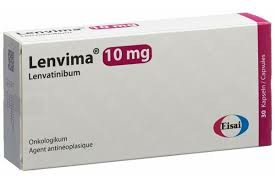
Althoughthe overall response rate was significantly higher in the C+N group, this difference may have been affected by delayed cytoreductive nephrectomy. No significant differences in PFS or OS were observed between the C+N and L+P regimens. Further studies are necessary to better understand the relative efficacy of these regimens in advanced renal cell carcinoma.
Study background and patient characteristics
In discussing the rationale for their study, the researchers wrote in the poster that because of its use in late-stage disease"There are no direct comparative clinical trials" of immune checkpoint inhibitor/TKI combinations for RCC, so improved insights into "clinical decision-making for treatment selection" with these regimens are needed. Therefore, we conducted a retrospective analysis that included 102 patients who received L+P (n=47) or C+n (n=55) as first-line treatment for advanced RCC at our institution between April 2018 and May 2024.
In theL+P group, more than half (57.5%) of the patients were 65 years or older, and more than three-quarters (76.6%) of the patients were male. Thirty-nine patients had a Karnofsky performance status score of 90% to 100%, seven patients had a Karnofsky performance status score of 70% to 80%, and one patient had a Karnofsky performance status score of less than 70%. The risk profile per International Metastatic RCC Database Consortium (IMDC) was favorable for 7 patients, intermediate for 22 patients, and poor for 18 patients. Regarding histology, 28 cases had pure clear cell carcinoma (CCC), 2 cases had CCC with sarcomatoid features, and 17 cases had other/unknown histology. Metastatic sites included lymph nodes (n=12), bone (n=8), lung (n=26) and liver (n=7). Eight patients had locally advanced tumors (venous tumor thrombus [VTT] only). More than half (51.1%) of the patients had multiple metastatic organs, and 46.8% (n=22) of the primary lesions underwent curative surgery.
71% (n=39) of patients in the C+n group were male, and 63.6% (n=35) were 65 years or older. Karnofsky performance status scores were 90% to 100% (n=44), 70% to 80% (n=9), and below 70% (n=2). IMDC status was favorable, moderate, and poor in 12, 32, and 11 patients, respectively. Thirty-seven patients had pure CCC histology, 3 had CCC with sarcomatoid features, and 15 had other/unknown histology. The metastatic sites were lymph nodes (n=19), bone (n=13), lung (n=37) and liver (n=5). There were 2 cases of locally advanced tumors (VTT only). Thirty-two patients (58.2%) had multiple organ metastases, and 29.1% (n=16) of the primary lesions underwent radical surgery.
It is worth noting that their study was affected by selection bias, asThe L+P group had more patients with lower IMDC risk and patients who underwent delayed cytoreductive nephrectomy.
The FDA approved the L+P and C+N regimens for first-line treatment of adult patients with advanced RCC.
References:https://www.onclive.com/view/retrospective-analysis-explores-cabozantinib-nivolumab-vs-lenvatinib-pembrolizumab-in-frontline-advanced-rcc
[ 免责声明 ] 本页面内容来自公开渠道(如FDA官网、Drugs官网、原研药厂官网等),仅供持有医疗专业资质的人员用于医学药学研究参考,不构成任何治疗建议或药品推荐。所涉药品可能未在中国大陆获批上市,不适用于中国境内销售和使用。如需治疗,请咨询正规医疗机构。本站不提供药品销售或代购服务。


