
.jpeg)
What tumors does ceritinib treat? Indications and therapeutic areas
Ceritinib (Ceritinib) is a targeted drug, a tyrosine kinase inhibitor (TKI), mainly used to treat non-small cell lung cancer (NSCLC) driven by ALK gene mutations. It exerts anti-tumor effects by inhibiting the kinase activity of ALK (anaplastic lymphoma kinase) protein and preventing the proliferation and growth of cancer cells. Since its approval in 2014, ceritinib, as a targeted therapy, has achieved significant clinical results in the treatment of patients with ALK-positive non-small cell lung cancer and has become one of the important treatment options in this field.
1. Indications of ceritinib
The main indication of ceritinib is the treatment of ALK non-small cell lung cancer with positive gene mutations. ALK (anaplastic lymphoma kinase) is a gene that normally exists in the human body, but in some tumors, this gene mutates, driving the abnormal proliferation of tumor cells. Among patients with non-small cell lung cancer, approximately 5%-7% have rearrangements of the ALK gene. This mutation can lead to overexpression of the ALK protein, thereby promoting tumor development.
Ceritinib, as an oral ALK inhibitor, can specifically target and inhibit ALK kinase activity, thereby preventing the proliferation and growth of ALK positive non-small cell lung cancer cells. Ceritinib is usually used in patients whose disease has progressed after treatment with other ALK inhibitors, or in patients with ALK gene mutations found at the time of first diagnosis. Its therapeutic effect is not limited to the growth of tumor cells, but can also effectively slow down the metastasis process of tumors.
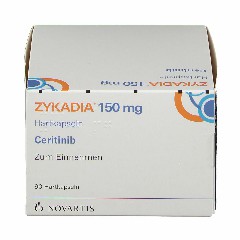
2. Therapeutic Mechanism of Ceritinib
Ceritinib inhibits the ALK fusion protein produced by the ALK gene mutation, blocking its downstream signaling pathways. Under normal circumstances, ALKThe role of proteins in the body is to regulate cell proliferation and differentiation. However, after the ALK gene is rearranged, an abnormal ALK fusion protein will be produced. This protein is fused with other genes to form an abnormally activated signaling pathway that promotes the proliferation and metastasis of tumor cells. Ceritinib selectively binds to the ALK protein and inhibits its kinase activity, thereby interrupting this signaling pathway and effectively inhibiting the growth and metastasis of tumor cells.
In addition, ceritinib has also proven its therapeutic effect on brain metastatic non-small cell lung cancer in multiple clinical trials, especially when other targeted therapies are ineffective. By treating patients with ALK-positive non-small cell lung cancer, ceritinib not only improved local control of the tumor, but also significantly extended the patient's progression-free survival (PFS) and slowed the spread of the tumor.
3. The therapeutic effect of ceritinib
According to clinical research data, the efficacy of ceritinib in patients with ALK-positive non-small cell lung cancer is very significant. Ceritinib can rapidly inhibit the growth of tumor cells in the early stages of treatment and maintain good disease control for a long time. According to the results of clinical trials, ceritinib has shown a high objective response rate (ORR) in patients with first-line treatment or after treatment failure, which shows that ceritinib can effectively control tumor progression and improve patients' quality of life.
In addition, ceritinib has also been proven to have good penetration into the central nervous system (CNS) and can effectively treat patients with brain metastases to non-small cell lung cancer. Brain metastasis is one of the most common complications in patients with non-small cell lung cancer, and traditional chemotherapy drugs have limited effectiveness in treating brain metastasis. However, ceritinib can effectively penetrate the blood-brain barrier and inhibit tumor growth in the brain, so it also has a good therapeutic effect on patients with brain metastases.
4. Side effects and drug resistance of ceritinib
Although ceritinib has achieved significant efficacy in the treatment ofALKpositive non-small cell lung cancer, it is also associated with some side effects. The most common side effects include gastrointestinal effects such as diarrhea, nausea, and vomiting, as well as fatigue and decreased appetite. In addition, patients may develop liver function abnormalities, especially during the initial stages of treatment. Therefore, during treatment with ceritinib, patients need to regularly monitor liver function and electrocardiogram and other indicators to ensure drug safety.
Drug resistance is a common problem in targeted drug therapy. With the prolongation of treatment time, some patients may develop resistance to ceritinib, leading to disease progression. Drug resistance usually manifests as tumor cells evading drug inhibition through new genetic mutations or by activating other compensatory signaling pathways. In this case, patients may need to switch to other treatment options, such as other ALK inhibitors or combination therapies.
Ceritinib (Ceritinib), as a drug targeting ALK, is mainly used to treat ALK-positive non-small cell lung cancer, especially for patients who fail or are resistant to first-line treatment. By inhibiting the activity of ALK kinase, ceritinib effectively controls tumor growth, improves patients' quality of life, and has a better control effect on brain metastasis. However, the use of ceritinib is also associated with certain side effects and drug resistance issues, and patients require regular monitoring and follow-up during treatment. Overall, ceritinib provides an effective treatment option for patients with ALKpositive non-small cell lung cancer.
Reference materials:https://www.novartis.com/our-products/pipeline/ceritinib
[ 免责声明 ] 本页面内容来自公开渠道(如FDA官网、Drugs官网、原研药厂官网等),仅供持有医疗专业资质的人员用于医学药学研究参考,不构成任何治疗建议或药品推荐。所涉药品可能未在中国大陆获批上市,不适用于中国境内销售和使用。如需治疗,请咨询正规医疗机构。本站不提供药品销售或代购服务。


