
.jpeg)
Introduction to the structural formula and molecular composition of tazerestat
Tazemetostat is an oral small molecule targeted drug that belongs to the EZH2 (enhancer transcription repressor 2) inhibitor class. EZH2 is a histone methyltransferase that is involved in regulating gene expression. When overexpressed, it is closely related to the development of various tumors. By specifically inhibiting the activity of EZH2, tazerestat can block abnormal epigenetic regulatory processes in tumor cells, thereby inhibiting the growth and spread of tumors. Currently, tazerestat is approved to treat certain types of follicular lymphoma and rare cancers such as epithelioid sarcoma.
In terms of chemical structure, the molecular formula of tazerestat is C34H44N4O4, and the molecular weight is 572.74 g/mol. Its structure contains multiple aromatic rings and amine functional groups, as well as some oxidative functional groups such as amide structures. These structures together create its unique spatial configuration and target binding ability. The drug molecule has high lipophilicity, which is conducive to penetrating the cell membrane and entering the cell nucleus to inhibit the activity of EZH2 enzyme.
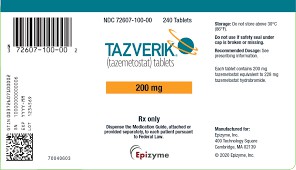
From a structural point of view, tazerestat is highly selective, which makes it have relatively few side effects when acting on the EZH2 target. Its characteristic structural units include a piperidine ring connected to an aromatic group, a pyridine structure and an amide bridge. These parts play a key role in binding the active site of EZH2. Unlike earlier non-selective epigenetic drugs, tazerestat optimizes target specificity and minimizes the impact on non-target tissues.
In summary, tazerestat is a molecularly targeted drug with a clear target and high selectivity. Its molecular composition and structural design reflect the progress of modern drug research and development in the direction of precision treatment. By inhibiting the epigenetic function of EZH2, tazerestat provides a new treatment option for specific malignancies, especially when traditional treatments are limited. In the future, with the deepening of research, its indications and application fields are expected to be further expanded.
Reference materials:https://www.tazverik.com/
[ 免责声明 ] 本页面内容来自公开渠道(如FDA官网、Drugs官网、原研药厂官网等),仅供持有医疗专业资质的人员用于医学药学研究参考,不构成任何治疗建议或药品推荐。所涉药品可能未在中国大陆获批上市,不适用于中国境内销售和使用。如需治疗,请咨询正规医疗机构。本站不提供药品销售或代购服务。


