
.jpeg)
Ruxolitinib phosphate cream (Opzelura) side effects
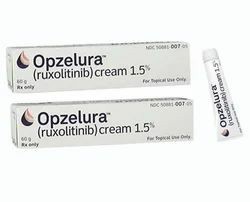
Ruxolitinib phosphate cream (Opzelura) is a topical JAK1/JAK2 inhibitor mainly used to treat skin diseases such as non-segmental vitiligo and mild to moderate atopic dermatitis. This drug has been approved in many European and American countries and has received widespread attention for its innovative targeting mechanism. As a topical targeted therapy drug, ruxolitinib cream has good efficacy, but it also comes with a certain risk of side effects. Patients need to be aware of these potential reactions during use so that early detection and early response can be achieved.
1. Common local side effects on skin
Ruxolitinib phosphate cream is a topical drug, and the most common side effects are often concentrated on skin reactions at the site of application. These reactions mainly manifest as:
1.Erythema and irritation: Some patients may experience skin redness, stinging or slight burning sensation after using the cream, especially when first using it or when applying it to more sensitive areas. The discomfort is mostly mild and usually resolves on its own within a few days.
2.Itching or dryness: The active ingredients in the cream may cause slight irritation to some individuals with weak skin barrier function, causing itching or dryness of the skin. This condition can be alleviated by intensive moisturizing care.
3.Acne-like rash or folliculitis: Some users may develop acne-like pimples or clogged hair follicles in the area where the product is applied. This is a rare reaction that usually improves after stopping the drug or reducing the frequency of use.
Although most of these local side effects are not serious, if symptoms persist or significantly worsen, you should contact your doctor promptly to evaluate whether the medication regimen needs to be adjusted or discontinued.
2. Possible risks caused by systematic absorption
Although ruxolitinib phosphate cream mainly works locally through the skin and has less systemic absorption, the drug may still enter the blood circulation and produce some systemic side effects when used for a long time or on a large area or when the skin barrier function is damaged. These potential impacts include:
1.Immune function effects: As a JAK inhibitor, ruxolitinib’s long-term absorption may cause certain suppression of the body’s immune system, which may theoretically increase the risk of infection. Although the systemic absorption of cream formulations is low, you still need to be alert to problems such as recurrent skin infections and recurrence of herpes viruses.
2.Hematological reactions: Oral ruxolitinib is known to cause anemia, neutropenia and other hematological adverse reactions in the treatment of myelofibrosis and other diseases. Although the risk of the cream formulation is much lower, if it is used on a large area for a long time, blood tests should still be done regularly, especially in patients with low immunity.
3.Other systemic symptoms: Individual patients have reported non-specific symptoms such as headache and fatigue during use of the cream. Most of these symptoms are mild and difficult to directly relate to medications, but medical evaluation is recommended if they persist.
3. Precautions and risk management for long-term use
Ruxolitinib phosphate cream is currently mainly used to control and improve symptoms of chronic skin diseases, with a long course of treatment. During long-term use, patients should pay attention to the following matters to prevent and reduce side effects:
1.Avoid long-term use on large areas: Try to control the scope of medication as directed by your doctor, and avoid continuous use on large areas of skin to reduce the risk of systemic absorption.
2. It is not recommended for use on open wounds or broken skin: damaged skin is more likely to absorb drugs, which may increase the risk of adverse reactions. The wound site should be avoided when using it.
3.Be careful when using medicine in children: AlthoughOpzelura has been approved in some countries for the treatment of vitiligo in children, children's skin is more sensitive and has strong absorption capacity. When using it, you should pay more attention to the dosage and frequency of use to avoid adverse reactions.
4.Regular follow-up visits and monitoring: For long-term drug users, it is recommended to seek medical follow-up regularly, and conduct routine blood tests and other tests when necessary to ensure the safety of medication.
Ruxolitinib phosphate cream, as a new external preparation of JAK inhibitor, has achieved good results in the treatment of skin diseases such as vitiligo and atopic dermatitis. The side effects are generally controllable, with mild to moderate local skin reactions being the most common. Systemic side effects are less common but require vigilance. The key to reducing the risk of adverse reactions and improving treatment effects is to use medications correctly, strictly follow doctor's instructions, and pay attention to skin care and regular follow-up visits. For patients who rely on this drug for a long time, establishing a reasonable understanding of side effects can help balance efficacy and risks and steadily achieve disease control goals.
Reference materials:https://www.opzelura.com/
[ 免责声明 ] 本页面内容来自公开渠道(如FDA官网、Drugs官网、原研药厂官网等),仅供持有医疗专业资质的人员用于医学药学研究参考,不构成任何治疗建议或药品推荐。所涉药品可能未在中国大陆获批上市,不适用于中国境内销售和使用。如需治疗,请咨询正规医疗机构。本站不提供药品销售或代购服务。


