
.jpeg)
Summary of main effects and side effects of Pirfenidone
Pirfenidone is an anti-fibrotic drug mainly used to treat chronic interstitial lung diseases such as idiopathic pulmonary fibrosis (Idiopathic Pulmonary Fibrosis, IPF). IPFIt is a fatal lung disease with unknown cause, progressive exacerbation, and may eventually lead to respiratory failure, with a high fatality rate. With the deepening of clinical research, pirfenidone has become one of the important drugs for the treatment of IPF due to its significant anti-fibrotic and anti-inflammatory effects.
1. Main functions of pirfenidone
The core function of pirfenidone is to delay the progression of pulmonary fibrosis, improve lung function, and slow down the progression of the disease. Its mechanism of action mainly includes the following aspects:
1.Anti-fibrotic effect: Pirfenidone can inhibit the production and activity of a variety of pro-fibrotic factors, especially TGF-β (Transforming Growth Factor-β), a cytokine that plays a central role in the fibrosis process, thereby reducing the deposition of collagen and extracellular matrix and delaying the fibrosis process of lung tissue.
2.Anti-inflammatory effect: This drug can also inhibit the production of pro-inflammatory factors such as tumor necrosis factor α (TNF-α), thereby reducing the damage of inflammation to lung tissue, creating a more stable microenvironment for the lungs, and inhibiting further fibrosis.
3.Improve lung function: By delaying the structural destruction of the lungs, pirfenidone helps maintain vital capacity (FVC) and lung function, and prolongs the time without disease progression. This has practical significance for improving patients' quality of life and prolonging survival.
4.Reduce the risk of death: Multiple international clinical trials have shown that long-term use of pirfenidone in patients has reduced all-cause mortality and IPF-related mortality, which is statistically significant compared with the placebo group.
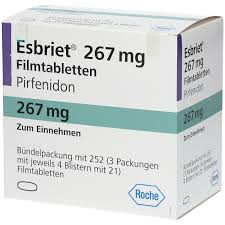
2. Common side effects of pirfenidone
Although pirfenidone has shown good efficacy in the treatment of pulmonary fibrosis, it still has certain side effects in clinical use, most of which are mild to moderate adverse reactions, and a few patients may need to adjust the dose or discontinue the drug.
1.Gastrointestinal discomfort
Gastrointestinal-related adverse reactions are one of the most common side effects, including nausea, loss of appetite, bloating, diarrhea, etc. Most of these symptoms appear at the beginning of taking the medicine and usually subside gradually with adaptation. Patients are advised to take the medication after meals to reduce stomach irritation.
2.Skin reaction
Skin photosensitivity is a special side effect of pirfenidone. Because this drug increases sensitivity to ultraviolet rays, patients may experience rash, erythema, itching, peeling, etc. during treatment, especially after sun exposure. Therefore, doctors generally advise patients to avoid strong sunlight and take sun protection measures when going out, such as wearing a hat, sunscreen, and long-sleeved clothing.
3.Abnormal liver function
A small number of patients may experience elevated liver enzymes (ALT, AST, etc.) during medication, indicating the possible risk of drug-induced liver injury. For patients taking pirfenidone for a long time, it is recommended to regularly monitor liver function, especially during the initial treatment and dose adjustment stages, so that abnormalities can be detected and intervened in a timely manner.
4.Fatigue and dizziness
Some patients may experience fatigue, headache, or dizziness, which may be related to the drug's mild effects on the central nervous system. Usually these symptoms do not affect daily life, but if symptoms persist or worsen, your doctor should be informed in time to adjust the treatment plan.
3. How to deal with side effects and improve compliance
In order to better exert the therapeutic effect of pirfenidone and reduce the trouble caused by adverse reactions, patients should pay attention to the following points when using this drug:
1.Gradually adjust the dose: It is usually recommended to gradually increase the dose of pirfenidone in the initial stage to allow the patient's body to gradually adapt and reduce the occurrence of gastrointestinal reactions.
2.Pay attention to the time and method of taking the medication: It is recommended to take it with or immediately after a meal to reduce gastric irritation, and maintain regular medication to avoid missing doses or overdose.
3. Regular physical examinations and laboratory examinations: including liver function, blood routine, pulmonary function assessment, etc., in order to detect side effects early and deal with them in time.
4. Strengthen communication with doctors: Patients should truthfully feedback their feelings and discomfort after taking the medication, so that doctors can adjust treatment strategies according to the actual situation and improve safety and compliance.
Overall, pirfenidone is currently an important targeted drug that is widely recommended for the treatment of idiopathic pulmonary fibrosis. Its anti-fibrosis and anti-inflammatory mechanisms can effectively delay disease progression, providing a practical treatment option for IPF patients. Although the drug may cause side effects such as gastrointestinal discomfort and photosensitivity reactions during use, most patients can still successfully complete the treatment and benefit from it through rational use of medication, daily precautions and close cooperation with doctors. For patients who are receiving or preparing to use pirfenidone, scientific understanding of the efficacy and risks of the drug is a key step to improve the success rate of treatment.
Reference materials:https://www.esbriet.com/
[ 免责声明 ] 本页面内容来自公开渠道(如FDA官网、Drugs官网、原研药厂官网等),仅供持有医疗专业资质的人员用于医学药学研究参考,不构成任何治疗建议或药品推荐。所涉药品可能未在中国大陆获批上市,不适用于中国境内销售和使用。如需治疗,请咨询正规医疗机构。本站不提供药品销售或代购服务。


