
.jpeg)
Introduction to the correct use of Axitinib targeted drug
Axitinib is an oral small molecule tyrosine kinase inhibitor that blocks tumor angiogenesis mainly by inhibiting vascular endothelial growth factor receptor (VEGFR), thereby inhibiting tumor growth. It has been widely used to treat a variety of solid tumors including advanced renal cell carcinoma. To ensure maximum efficacy and reduce side effects, patients should strictly follow the correct medication method when using axitinib. The following is a detailed guide to the use of axitinib-targeted drugs.
1. Indications and mechanism of action
Axitinib is mainly suitable for patients with advanced renal cell carcinoma who have failed previous systemic treatments. It can also be used for the treatment of other types of tumors, but it must be used under the guidance of a doctor. It inhibits angiogenesis by selectively inhibiting VEGFR-1, VEGFR-2 and VEGFR-3, thereby limiting tumor blood supply and growth. Compared with traditional chemotherapy, axitinib has the advantages of strong targeting and relatively small side effects.
2. Medication methods and dosage
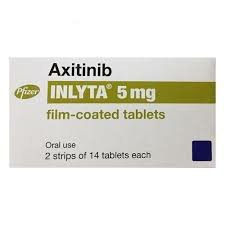
Axitinib is taken orally in the form of tablets. The usual starting dose is 5 mg twice a day, once in the morning and once in the evening, about 12 hours apart. Medication is not affected by food and can be taken with food or on an empty stomach. When taking the medicine, swallow the tablet whole and do not crush or chew it.
The dose adjustment needs to be based on the patient's individual tolerance and side effects, and should be adjusted by the doctor according to the situation. If the patient tolerates it well, the dose can be gradually increased to 7mg or even 10mg; if obvious adverse reactions occur, dosage reduction or suspension of medication should be considered.
3. Precautions when taking medication
1.Regular medication: Taking medication at a fixed time can help stabilize blood drug concentration and improve treatment effect. If you forget to take the medicine, you should take it as soon as possible. If it is less than 6 hours before the next dose, skip this time. Double dose is strictly prohibited.
2.Avoid taking certain drugs at the same time: The metabolism of axitinib in the body mainly depends on the CYP3A4 enzyme, so it should be avoided to be used together with strong CYP3A4 inhibitors (such as ketoconazole, erythromycin) or inducers (such as rifampicin, carbamazepine) to avoid affecting the efficacy or increasing toxic side effects.
3.Dietary restrictions: Grapefruit and its products may interfere with the metabolism of axitinib and should be avoided. In addition, high-fat diet may affect drug absorption, so you should also pay attention to a reasonable diet.
4.Regular monitoring: During the use of axitinib, blood pressure, liver and kidney function, thyroid function and imaging examinations need to be carried out regularly to monitor the drug efficacy and side effects.
4. Common adverse reactions and responses
Axitinib may cause a variety of adverse reactions, including:
Hypertension: relatively common, blood pressure should be monitored before and after treatment, and antihypertensive drugs should be used if necessary.
Fatigue, loss of appetite, and diarrhea: Most are mild to moderate and can be relieved through dietary adjustments or symptomatic treatment.
Hand-foot syndrome: Symptoms include redness, pain or peeling of the hands and feet. Be careful to avoid friction and high temperature stimulation. You can use external moisturizer or topical ointment.
Abnormal thyroid function: It is recommended to check thyroid function regularly and intervene promptly if abnormalities are found.
If serious adverse reactions occur, such as persistent uncontrollable high blood pressure, bleeding, proteinuria, etc., you should seek medical treatment promptly and adjust the dose or discontinue the drug under the guidance of a doctor.
5. Medication recommendations for special populations
Elderly people: Use with caution after comprehensive assessment of body function, and dose adjustment should be more cautious.
People with impaired liver and kidney function: People with mild to moderate liver dysfunction can use it normally, but people with severe liver damage should use it with special caution. Impaired renal function has little effect on pharmacokinetics, but patients with severe renal impairment need to use it under the guidance of a doctor.
Pregnant and lactating women: Axitinib may have adverse effects on the fetus or infant and should be avoided. If you must use it, you should weigh the pros and cons and use strict contraception.
6. Efficacy evaluation and treatment cycle
Axitinib usually needs to be taken continuously to maintain its efficacy, but the course of treatment varies from person to person. Doctors will evaluate the efficacy based on imaging examination results, changes in tumor markers and the patient's overall response, and decide whether to continue taking the medication, adjust the dose, or change the treatment plan.
If the disease is well controlled during treatment, the current treatment plan may be maintained for a long time; if it progresses or becomes resistant, combination medication or replacement with other targeted drugs needs to be considered.
Axitinib is a targeted therapy drug with clear efficacy and relatively convenient use, but correct use is crucial to ensure efficacy and reduce side effects. Patients should strictly follow the doctor's instructions to take the medicine, follow up regularly, monitor physical changes in a timely manner, and should not stop taking the medicine or change the dosage without authorization. During the entire treatment process, maintaining good living habits and mental state is also of positive significance to improving the treatment effect.
Reference materials:https://en.wikipedia.org/wiki/Axitinib
[ 免责声明 ] 本页面内容来自公开渠道(如FDA官网、Drugs官网、原研药厂官网等),仅供持有医疗专业资质的人员用于医学药学研究参考,不构成任何治疗建议或药品推荐。所涉药品可能未在中国大陆获批上市,不适用于中国境内销售和使用。如需治疗,请咨询正规医疗机构。本站不提供药品销售或代购服务。


