
.jpeg)
What are the common side effects of acalabrutinib? how to cope
Acalabrutinib (Acalabrutinib) is a highly targeted BTK inhibitor, mainly used to treat diseases such as chronic lymphocytic leukemia. Compared with first-generation drugs such as ibrutinib, it has less interference with non-target enzymes, so it has certain advantages in terms of safety. However, it still inevitably produces some side effects during long-term use, especially in patients with hematological tumors whose immune function is suppressed, which requires more careful monitoring.
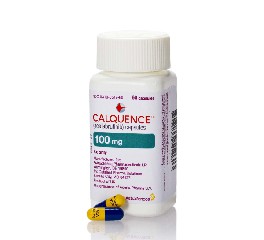
The more common adverse reactions include persistent headache, mild to moderate diarrhea, fatigue, joint or muscle discomfort, symptoms of upper respiratory tract infection, and occasionally bruising or bleeding tendencies. Most of these discomforts are mild or moderate and often appear in the early stages of treatment. Some patients gradually adapt and can relieve themselves after taking the medicine for a period of time. If you have a headache, you can use acetaminophen drugs under the guidance of a doctor. The risk of infection is one of the more concerning issues when using BTK inhibitors. Patients should pay attention to personal protection during treatment, avoid crowded places, and receive antiviral or antibacterial preventive treatment when necessary. For serious side effects that may occur in a small number of patients, such as atrial fibrillation or other irregular heartbeats, regular electrocardiograms and cardiac function tests are required. People with a history of heart disease should be more careful.
In addition, acotinib may have a slight effect on platelet function, so caution should be used when combined with anticoagulant or antiplatelet therapy to avoid an increased risk of bleeding. In terms of drug metabolism, acotinib is mainly metabolized through the CYP3A enzyme pathway. Therefore, it is necessary to avoid taking it with strong CYP3A inhibitors or inducers, such as certain antibiotics, anti-epileptic drugs, and grapefruit juice, to avoid abnormal blood concentrations of the drug. If a patient experiences serious adverse reactions, doctors usually respond by adjusting the dose, temporarily discontinuing the drug, or switching to other treatment options.
Reference materials:https://www.calquence.com/
[ 免责声明 ] 本页面内容来自公开渠道(如FDA官网、Drugs官网、原研药厂官网等),仅供持有医疗专业资质的人员用于医学药学研究参考,不构成任何治疗建议或药品推荐。所涉药品可能未在中国大陆获批上市,不适用于中国境内销售和使用。如需治疗,请咨询正规医疗机构。本站不提供药品销售或代购服务。


