
.jpeg)
How to choose subsequent treatment options (such as changing drugs or combination therapy) after ibrutinib resistance
Ibrutinib (Ibrutinib), as the first approved BTK inhibitor, has achieved remarkable results in the treatment of B cell-related tumors such as chronic lymphocytic leukemia (CLL) and mantle cell lymphoma (MCL). However, some patients experience disease progression after a period of use, suggesting the development of drug resistance. Resistance to ibrutinib is usually related to mutations in the BTK gene (such as C481S) or PLCγ2 mutations. These changes cause the drug to be unable to effectively bind to the target, thereby reducing the therapeutic effect. At this time, timely identification of resistance mechanisms and adjustment of follow-up plans are crucial to continue disease control.
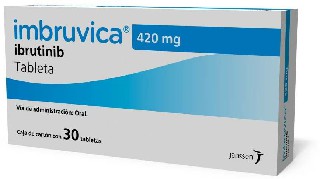
Once drug resistance appears, such as a rapid increase in peripheral blood leukocyte count, enlargement of lymph nodes, or deterioration of bone marrow function, relapse evaluation should be conducted immediately, including repeated genetic testing and imaging examinations. According to the resistance mechanism, subsequent treatment options can be divided into replacement of next-generation BTK inhibitors and combined treatment with drugs with other mechanisms. For patients who develop drug resistance due to C481 mutation, the new generation of non-covalent BTK inhibitors (such as zanubrutinib, pirtobrutinib) have shown higher target affinity and stronger resistance to drug resistance in foreign studies. In particular, pirtobrutinib has become an important follow-up treatment candidate in current research because it does not rely on binding at the C481 site.
Another strategy is to combine a BTK inhibitor with a BCL-2 inhibitor such as venetoclax. This combination not only enhances the anti-tumor effect, but may also delay the development of drug resistance. In addition, studies have attempted to combine BTK inhibitors with anti-CD20 monoclonal antibodies (such as rituximab) or immunomodulators to improve the depth and durability of treatment. However, combination therapy is often associated with a higher risk of adverse reactions and requires careful decision-making under professional evaluation.
In certain circumstances, such as patients who have received multiple lines of therapy or have complex genetic mutations, hematopoietic stem cell transplantation can also be a potential option, especially in younger, high-risk patients, where longer-term survival is expected. However, due to its high toxicity, strict screening of indications is required.
Reference materials:https://www.imbruvica.com/
[ 免责声明 ] 本页面内容来自公开渠道(如FDA官网、Drugs官网、原研药厂官网等),仅供持有医疗专业资质的人员用于医学药学研究参考,不构成任何治疗建议或药品推荐。所涉药品可能未在中国大陆获批上市,不适用于中国境内销售和使用。如需治疗,请咨询正规医疗机构。本站不提供药品销售或代购服务。


