
.jpeg)
What are the common side effects of entrectinib? how to cope
Entrectinib (Entrectinib) is a multi-target oral targeted drug for the treatment of NTRK fusion or ROS1 rearrangement-positive solid tumors and non-small cell lung cancer. Although it is highly recognized for its therapeutic effect, its side effects are also an important problem that many patients need to face during treatment. Generally speaking, the side effects of entrectinib are mild to moderate and are controllable to a certain extent, but they still need to be taken seriously and managed in a timely manner to ensure the sustainability of the efficacy and quality of life.
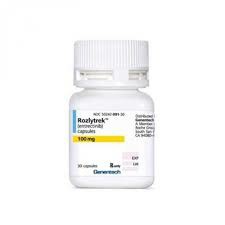
Common adverse reactions include fatigue, abnormal taste, constipation, dizziness, edema, and increased creatinine. In some patients, weight gain and neurological symptoms such as unsteady gait, cognitive decline, or hallucinations may also be seen. Most of these side effects are related to the effects of entrectinib on the central nervous system and metabolic system, especially the central reactions that may occur after the drug penetrates the blood-brain barrier. In actual clinical practice, dysgeusia and mild dizziness are relatively common. Although they will not cause serious consequences, they may affect appetite and daily activities.
To address these discomforts, the principle of clinical treatment is "individualized response." Mild taste changes or constipation can be improved with dietary modification and the use of laxatives. If patients experience fatigue or dizziness, they can appropriately reduce physical labor, increase rest time, and adjust the dosage under the guidance of a doctor. Adverse reactions related to the central nervous system require special attention. Once cognitive impairment, hallucinations, or behavioral abnormalities occur, you should seek medical evaluation immediately. If necessary, the drug can be temporarily interrupted, and whether to resume medication will be decided based on the improvement of symptoms.
In addition, entrectinib may affect liver and kidney function or cause electrocardiogramQT interval prolongation. Therefore, liver enzymes, renal function, electrolytes and electrocardiogram should be tested regularly during medication to prevent serious complications. Some patients also need to pay attention to weight monitoring and mental status assessment to promptly intervene in possible mood swings or metabolic abnormalities.
Reference materials:https://www.roche.com/products/rozlytrek
[ 免责声明 ] 本页面内容来自公开渠道(如FDA官网、Drugs官网、原研药厂官网等),仅供持有医疗专业资质的人员用于医学药学研究参考,不构成任何治疗建议或药品推荐。所涉药品可能未在中国大陆获批上市,不适用于中国境内销售和使用。如需治疗,请咨询正规医疗机构。本站不提供药品销售或代购服务。


