
.jpeg)
Is dacomitinib more effective than first-generation targeted drugs in patients with brain metastases and lung cancer?
Dacomitinib/Dacomitinib (Dacomitinib) is a second-generation irreversible EGFR tyrosine kinase inhibitor (TKI). Compared with first-generation drugs such as gefitinib or erlotinib, it has shown broader and more durable EGFR inhibitory activity in clinical practice. However, when it comes to the special group of brain metastases, whether its efficacy is better than that of first-generation TKIs is still a matter of great concern to patients and doctors. Brain metastasis is a common complication in EGFR-mutated non-small cell lung cancer. Although first-generation EGFR-TKI has a better control rate in the early stage, its molecular structure limits its ability to penetrate the blood-brain barrier.
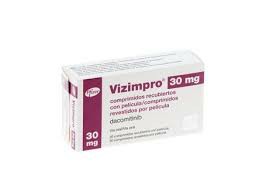
Although dacomitinib has stronger EGFR inhibitory ability, its lipid solubility and molecular characteristics still limit its penetration into the central nervous system. Especially when brain metastases are extensive or there are symptoms, its effect may not be as good as third-generation drugs with better central penetration, such as Osimertinib. However, for some patients with extrameningeal, early-stage or well-controlled brain metastases, dacomitinib may still have a certain role, especially when other EGFR-TKIs are not used, as it can provide stronger systemic tumor burden control. Therefore, whether it is superior to the first-generation drugs needs to be comprehensively judged based on the size of the brain metastasis, the patient's symptoms, whether he has received radiotherapy, and previous drug use.
Based on multiple real-world studies and practical experiences around the world, dacomitinib is slightly inferior to third-generation drugs in terms of central nervous system efficacy, but it may still provide better overall response rate and systemic control effect than first-generation drugs in some patients, especially for newly diagnosed patients who have not receivedEGFR-TKI treatment. The final drug selection still needs to be determined based on imaging performance and individual tolerance assessment. If brain metastasis is the focus of treatment, it may be more appropriate to give priority to drugs with central penetration or combined with radiotherapy.
Reference materials:https://www.pfizer.com/products/product-detail/vizimpro
[ 免责声明 ] 本页面内容来自公开渠道(如FDA官网、Drugs官网、原研药厂官网等),仅供持有医疗专业资质的人员用于医学药学研究参考,不构成任何治疗建议或药品推荐。所涉药品可能未在中国大陆获批上市,不适用于中国境内销售和使用。如需治疗,请咨询正规医疗机构。本站不提供药品销售或代购服务。


