
.jpeg)
Comparison of the efficacy of sorafenib/Nexavar and lenvatinib
Sorafenib/Nexavar (Sorafenib) and lenvatinib (Lenvatinib), as two targeted drugs that are widely used to treat advanced liver cancer (HCC), are one of the commonly compared treatment options in current clinical oncology. Both are tyrosine kinase inhibitors (TKIs), and both inhibit tumor growth by blocking signaling pathways related to tumor angiogenesis. However, there are many differences in target selection, pharmacological properties, adverse reaction spectrum, and overall clinical efficacy. Therefore, when using them, doctors will make individualized choices based on the patient's specific condition, basic conditions, and past drug reactions.
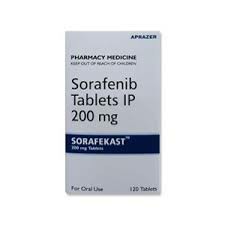
Sorafenib is the first first-line treatment targeted drug approved by the FDA for advanced hepatocellular carcinoma. Its main targets are RAF kinase, VEGFR, PDGFR, etc. It has established an important foundation in improving disease progression and is widely used in many countries and regions around the world. However, as research on the treatment of liver cancer continues to advance, lenvatinib, a latecomer, has also received more and more attention. Lenvatinib's target coverage is broader, including not only VEGFR1-3, FGFR1-4, PDGFRα, but also multiple important pathways related to tumor angiogenesis and proliferation, such as RET and KIT. This broader-spectrum targeting mechanism enables it to show faster tumor shrinkage response and longer progression-free survival in some patients.
From a pharmacokinetic perspective, lenvatinib has stronger target affinity and more stable blood concentration. It is often administered at a once-daily fixed dose, which improves patient compliance to a certain extent. Sorafenib requires twice-daily administration. Although it is generally well tolerated, some patients may experience adverse reactions such as rash, diarrhea, and hand-foot syndrome during treatment. These symptoms have an impact on quality of life. When comparing the side effect profiles of the two, lenvatinib is more likely to cause hypertension, weight loss, and proteinuria, and therefore requires close clinical monitoring and appropriate intervention in the early stages of treatment.
In terms of efficacy, judging from some large-scale studies and actual use feedback, lenvatinib has shown a higher objective response rate (ORR) in some patients with advanced liver cancer, with rapid tumor shrinkage, and is suitable for patients with high tumor burden or who need rapid disease control. The efficacy of sorafenib is more stable and is especially suitable for patients who are weak and sensitive to side effects. It is worth noting that the efficacy of the two drugs will also be affected by factors such as the patient's genetic background, liver function status, previous treatment history, etc., and it is impossible to generalize which one is superior.
In the domestic treatment strategy, lenvatinib has been included in medical insurance and is one of the first-line recommended drugs, forming a complementary relationship with sorafenib. In terms of price, the actual burden on patients is relatively controllable after being reimbursed by medical insurance, further improving clinical accessibility. With the gradual popularization of immune checkpoint inhibitors, there are also studies exploring the possibility of combining these two types of targeted drugs with immunotherapy. In the future, liver cancer treatment will become more combinatorial and precise.
Reference materials:https://www.nexavar.com/
[ 免责声明 ] 本页面内容来自公开渠道(如FDA官网、Drugs官网、原研药厂官网等),仅供持有医疗专业资质的人员用于医学药学研究参考,不构成任何治疗建议或药品推荐。所涉药品可能未在中国大陆获批上市,不适用于中国境内销售和使用。如需治疗,请咨询正规医疗机构。本站不提供药品销售或代购服务。


