
.jpeg)
What are the common side effects of avatrombopag tablets?
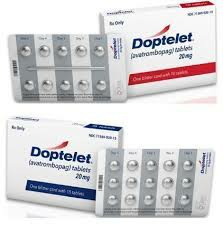
Avatrombopag (Avatrombopag), trade name "Sucoxin", is a drug used to treat specific types of hypothrombocytosis, especially suitable for patients with chronic immune thrombocytopenia (ITP). This drug increases platelet levels by stimulating the production of platelets in the bone marrow. Although avatrombopag has shown good efficacy in treating hypothrombosis, like all medications, it has some side effects. During treatment with avatrombopag, patients may experience some common side effects, which are analyzed below along with their manifestations.
1. Gastrointestinal discomfort
One of the most common side effects of avatrombopag is gastrointestinal discomfort. Patients may experience nausea, vomiting, diarrhea and other symptoms. These gastrointestinal problems are more common when starting avatrombopag or when the drug dose is adjusted. Most patients' symptoms are mild or moderate and usually resolve spontaneously in the short term. To relieve these symptoms, patients can take the medication after meals or adjust the dosage as recommended by their doctor. However, if these symptoms persist or worsen, your treatment may need to be adjusted or other measures taken to relieve discomfort.
2. Headache and fatigue
Headache and fatigue are other common side effects of avatrombopag. Headaches are usually mild to moderate and may be related to the drug's effect on platelet levels in the body. Most patients' headaches gradually lessen or disappear within the first few days or weeks of taking the medication. Fatigue is another common side effect, and patients may feel unusually weak or lack energy, especially in the early stages of treatment. Fatigue symptoms usually improve with treatment, but may persist in some patients and require close observation.
3. Abnormal liver function
Avatrombopag may cause liver function abnormalities during treatment. Some patients may notice an increase in liver enzyme levels during treatment, manifested as an increase in transaminases (such as ALT, AST) in blood tests. This condition is usually reversible, and liver function often returns to normal after the drug is discontinued or the dose is adjusted. However, a small number of patients may develop severe symptoms of liver damage, including jaundice (yellowing of the skin or eyes), severe abdominal pain, or loss of appetite. This condition requires immediate medical attention and may require a suspension of medication.
4. Hematological side effects
Avatrombopag stimulates the bone marrow to produce platelets, so its side effects include affecting other blood components. The most common manifestation is high platelet levels, especially early in treatment. Although the goal of avatrombopag is to increase platelet levels, in some cases, excess platelets may lead to an increased risk of blood clots, which can lead to serious complications such as deep vein thrombosis and pulmonary embolism. In addition, avatrombopag may also affect the production of white blood cells and red blood cells, leading to leukopenia or anemia. Patients will need to undergo regular blood tests while taking avatrombopag to monitor for these potential hematological abnormalities.
5. Skin reaction
Skin reactions are also one of the side effects to watch out for when using avatrombopag. Some patients may experience skin discomfort such as rash and itching. Although these reactions are usually mild, if a severe allergic reaction occurs, manifesting as a widespread rash, difficulty breathing, or throat swelling, patients should seek medical help immediately. In rare cases, avatrombopag may cause a severe allergic skin reaction such as exfoliative dermatosis. Although this reaction is very rare, it should be treated with caution.
6. Other rare side effects
In addition to the above-mentioned side effects, avatrombopag may also cause other rare side effects, including weight gain, edema, joint pain, etc. Not every patient will experience these side effects, but patients should pay close attention to any changes in their body during treatment with the drug. If these uncomfortable symptoms occur, you should communicate with your doctor in time and make adjustments according to your doctor's recommendations.
Avatrombopag, as a drug used to treat hypothrombosis, has achieved certain clinical efficacy, but it is also accompanied by some side effects. Common side effects include gastrointestinal discomfort, headache, fatigue, abnormal liver function, blood system abnormalities, and skin reactions. Although most of these side effects are mild, they still require the attention of both patients and doctors. During treatment, regular monitoring and communication with your doctor are key to ensuring safe and effective treatment. If serious side effects occur, patients should stop taking the medication and seek medical advice promptly.
Reference materials:https://go.drugbank.com/drugs/DB11995
[ 免责声明 ] 本页面内容来自公开渠道(如FDA官网、Drugs官网、原研药厂官网等),仅供持有医疗专业资质的人员用于医学药学研究参考,不构成任何治疗建议或药品推荐。所涉药品可能未在中国大陆获批上市,不适用于中国境内销售和使用。如需治疗,请咨询正规医疗机构。本站不提供药品销售或代购服务。


