
.jpeg)
Efficacy and effects of ceritinib: Which tumors it fights and its treatment advantages
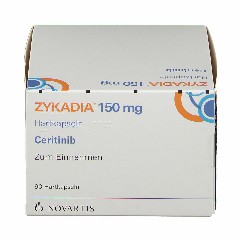
Ceritinib, also known as Ceritinib, is a targeted drug that is a tyrosine kinase inhibitor (TKI) and is mainly used to treat certain types of non-small cell lung cancer (NSCLC). It mainly inhibits the proliferation of tumor cells by targeting ALK (anaplastic lymphoma kinase) gene mutations. Since its approval for clinical use, ceritinib has demonstrated significant efficacy and superiority in the treatment of patients with ALK-positive non-small cell lung cancer. The following is the efficacy and role of ceritinib and its advantages in treating different types of tumors.
1. Mechanism of action of ceritinib
Ceritinib is a highly selectiveALK tyrosine kinase inhibitor. ALK Gene mutations often lead to the occurrence of non-small cell lung cancer, especially in young patients with no history of smoking. Ceritinib inhibits the kinase activity of ALK protein and blocks the cell signaling pathways caused by ALK mutations, thereby effectively inhibiting the growth and spread of tumor cells. It is able to penetrate the blood-brain barrier and therefore shows good efficacy in the treatment of patients with brain metastatic lung cancer.
2. Treatment of non-small cell lung cancer (NSCLC)
Non-small cell lung cancer (NSCLC) is the most common type of lung cancer, of which ALK-positive NSCLC patients account for about 5%-7% . For these patients, traditional chemotherapy and radiotherapy are less effective, and ALK inhibitors, such as ceritinib, can significantly improve the efficacy. The advantage of ceritinib lies in its targeting effect on ALK gene mutations, which can effectively inhibit the proliferation of tumor cells and delay disease progression. Multiple clinical studies have shown that ceritinib has a high objective response rate (ORR) and a durable effect in patients with ALK positive NSCLC.
3. Therapeutic advantages of brain metastatic lung cancer
Brain metastasis is one of the common complications of non-small cell lung cancer. About 40%-50% of patients with advanced NSCLC will develop brain metastasis. Because many ALK inhibitors cannot effectively cross the blood-brain barrier, their effectiveness in treating brain metastatic lung cancer is limited. Ceritinib, as an ALK inhibitor with strong blood-brain barrier permeability, can provide unique advantages in the treatment of brain metastases. Clinical data shows that ceritinib can significantly improve the response rate of brain metastases when treating ALK-positive NSCLC patients with brain metastases, becoming a new treatment option for patients with brain metastatic lung cancer.
4. The side effects and drug resistance of ceritinib
Although ceritinib has shown good efficacy in the treatment ofALKpositiveNSCLC, it still has certain side effects. Common side effects include gastrointestinal upset (such as nausea, vomiting, diarrhea), fatigue, abnormal liver function, and respiratory problems (such as cough, difficulty breathing). In addition, some patients may develop resistance to ceritinib after long-term use. In order to overcome the drug resistance problem, researchers are working to find a new generation of ALK inhibitors that can cope with the drug resistance mechanism, or to use them in combination with other drugs to improve efficacy.
5. The therapeutic prospects of ceritinib
Ceritinib, as a new type of ALK inhibitor, shows significant efficacy compared with traditional therapies, especially in the treatment of ALK positive non-small cell lung cancer. With further research on the efficacy and side effects of ceritinib, additional indications may be discovered in the future, especially in combination therapy or resistance management. In addition, as clinical treatment options continue to improve, ceritinib may become one of the standard therapies for the treatment of patients with advanced non-small cell lung cancer.
In short, ceritinib has shown significant efficacy in the treatment of non-small cell lung cancer by targeting ALK gene mutations, and has unique advantages in the treatment of brain metastatic lung cancer. Although there are some side effects and drug resistance issues, its application prospects in ALK-positive NSCLC patients are still broad, and it may become an important option for the treatment of lung cancer in the future.
Reference materials:https://www.novartis.com/our-products/pipeline/ceritinib
[ 免责声明 ] 本页面内容来自公开渠道(如FDA官网、Drugs官网、原研药厂官网等),仅供持有医疗专业资质的人员用于医学药学研究参考,不构成任何治疗建议或药品推荐。所涉药品可能未在中国大陆获批上市,不适用于中国境内销售和使用。如需治疗,请咨询正规医疗机构。本站不提供药品销售或代购服务。


