
.jpeg)
What is the difference in treatment between canafenib and vemurafenib?
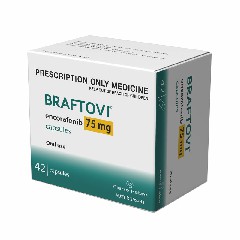
Canafenib (Encorafenib) and Vemurafenib (Vemurafenib) are two targeted drugs, both used to treat BRAF V600E mutation-positive melanoma. Although they have the same target, both are inhibitors of BRAF protein, but there are some differences in drug mechanism, efficacy, usage regimen and side effects. Their treatment differences will be analyzed in detail below.
1. Drug mechanisms and targets
Canafenib and vemurafenib are both BRAF inhibitors, mainly used to treat melanoma carrying BRAF V600E or V600K mutations. BRAF is an intracellular kinase that regulates cell growth and division through the MAPK signaling pathway in normal cells. However, in some cancers, the BRAF gene is mutated, causing it to remain active and promote the proliferation of tumor cells.
Vemurafenib is a first-generation BRAF inhibitor that mainly prevents the proliferation of tumor cells by inhibiting the activity of mutated BRAF V600E kinase. Canafenib is a second-generation BRAF inhibitor. In addition to targeting the BRAF V600E mutation, it can also show stronger inhibitory effects on the BRAF V600K mutation. In addition, canafenib is more potent than vemurafenib at inhibiting the effects of BRAF mutant proteins and may therefore be more effective in some patients.
2. Comparison of efficacy
In clinical studies, there is significant evidence to support the efficacy of canafenib and vemurafenib. As a first-generation BRAF inhibitor, vemurafenib has been widely used to treat BRAF mutation-positive melanoma and has shown significant clinical effects. However, when treated as a single agent, the efficacy of vemurafenib often weakens over time, and patients may develop drug resistance, which is related to the adaptive mutations that occur in cancer cells during treatment.
In contrast, canafenib, a second-generation BRAF inhibitor, is effective against BRAF V600EThe mutation has a stronger inhibitory effect and its resistance develops more slowly. Some clinical studies have shown that canafenib is more effective when used in combination with MEK inhibitors (such as trametinib) and can delay the development of drug resistance for a longer period of time. Therefore, in clinical practice, canafenib is often used in combination with other drugs to improve therapeutic efficacy and reduce the risk of drug resistance.
3. Usage plans and side effects
Canafenib and vemurafenib are used in different regimens. Vemurafenib is usually taken by mouth once daily at a recommended dose of 960 mg. However, because vemurafenib may cause some common adverse reactions, such as rash, joint pain, weight loss, etc., patients need to be monitored regularly to ensure the safety of the treatment.
The regimen for canafenib is similar, with the recommended dose being450 mg once daily. Compared with vemurafenib, canafenib has relatively fewer and mild side effects. The main side effects include fatigue, nausea, loss of appetite, rash, etc. In addition, the combination therapy of canafenib combined with the MEK inhibitor trametinib has shown a lower frequency of side effects in clinical practice and has significantly improved the therapeutic effect. Combination therapy can effectively avoid drug resistance problems in monotherapy and improve long-term efficacy.
4. Drug resistance and treatment prospects
Drug resistance is a common problem in cancer treatment, especially during the use of BRAF inhibitors. Vemurafenib usually works well in the early stages of treatment, but as treatment progresses, cancer cells may develop resistance through a variety of pathways, such as by activating other parts of the MAPK pathway (such as COT, NRAS mutations, etc.) to bypass the effects of BRAF inhibition. Canafenib delays the occurrence of drug resistance through its stronger ability to inhibit BRAF mutations. However, for some patients, drug resistance will still gradually develop. Therefore, the development of more potent drugs or combination treatments is an important direction in the current treatment of melanoma.
In general, canafenib and vemurafenib have a common mechanism of action in the treatment of BRAF mutation-positive melanoma, but canafenib generally has stronger efficacy and resistance control capabilities. For some patients, especially those who are resistant to vemurafenib, canafenib may provide a more effective treatment option. In terms of combination therapy, canafenib andMEKCombination therapies with inhibitors have shown better clinical efficacy and resistance management, indicating that this drug may play a greater role in future treatments.
Reference materials:https://www.braftovi.com/
[ 免责声明 ] 本页面内容来自公开渠道(如FDA官网、Drugs官网、原研药厂官网等),仅供持有医疗专业资质的人员用于医学药学研究参考,不构成任何治疗建议或药品推荐。所涉药品可能未在中国大陆获批上市,不适用于中国境内销售和使用。如需治疗,请咨询正规医疗机构。本站不提供药品销售或代购服务。


