
.jpeg)
How effective is Epclusa in treating liver cirrhosis?
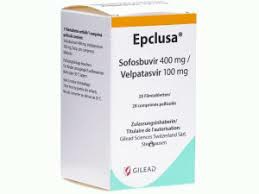
Epclusa (Chinese generic name: sofosbuvir/velpatasvir) is currently the first-line oral antiviral drug for the treatment of hepatitis C (HCV) and is suitable for all six genotypes of hepatitis C virus infection. It is not only effective for ordinary hepatitis C patients, but also shows excellent therapeutic effects in patients with liver cirrhosis (including compensated and partially decompensated stages), making it an important treatment option for patients with chronic hepatitis C and cirrhosis.
In terms of efficacy, Jisandai has shown a very high cure rate in hepatitis C patients with compensated cirrhosis. A large number of studies have shown that after 12 weeks of treatment with G3, the patient's sustained virological response rate (SVR12) can reach 95% or more. SVR12 is the gold standard for measuring the effect of hepatitis C treatment. For patients with compensated cirrhosis who have not received antiviral therapy, good efficacy can be achieved without the need for ribavirin. In some patients with decompensated cirrhosis, although ribavirin needs to be used in combination, the overall cure rate can be maintained between 80% and 90%, significantly improving the patient's prognosis.
Liver function indicators often improve significantly after treatment with Jisandai. After the virus is cleared, the inflammatory state of the liver gradually eases, the levels of liver enzymes such as ALT and AST gradually decrease, and liver function scores (such as Child-Pugh and MELD scores) may also improve. The recovery of these biochemical indicators indicates that liver damage has been contained, helping to delay the progression of cirrhosis and reduce the risk of developing liver cancer or liver failure. For patients with early-stage compensated cirrhosis, the potential for liver reversal after treatment with GIS is higher.
In terms of safety, Gisanda is well tolerated by most patients with cirrhosis. Even in the case of certain liver function damage, it will not cause serious adverse reactions. Common side effects such as fatigue, headache, nausea, etc. are mostly mild and reversible and generally do not affect the completion of the treatment. Compared with the older generation of interferon or ribavirin regimens, the third generation of GIS does not require injections, has a shorter course of treatment, and has milder side effects. It is especially suitable for elderly patients with cirrhosis or those with multiple chronic diseases.
Reference: https://www.epclusa.com/
[ 免责声明 ] 本页面内容来自公开渠道(如FDA官网、Drugs官网、原研药厂官网等),仅供持有医疗专业资质的人员用于医学药学研究参考,不构成任何治疗建议或药品推荐。所涉药品可能未在中国大陆获批上市,不适用于中国境内销售和使用。如需治疗,请咨询正规医疗机构。本站不提供药品销售或代购服务。


