
.jpeg)
Patient Medication Guide: What does the package insert for mitotane contain?
Mitotane is an anti-tumor drug used to treat adrenocortical carcinoma (ACC). It is structurally similar to the organochlorine pesticide DDT. This drug is specifically used for locally advanced or metastatic cases of ACC that are resectable or unresectable. It has been approved by the FDA for marketing in the United States under the trade name Lysodren. Mitotane is a cytotoxic drug that mainly works by destroying adrenocortical cells, inhibiting steroid synthesis, and selectively destroying tumor tissue. The content of the instruction manual is relatively professional, covering pharmacological mechanisms, indications, dosage adjustments, adverse reactions, pharmacokinetics, and medication guidance for special populations.
The instructions first clarify the indications of mitotane, which are used to treat functional or non-functional progressive adrenocortical cancer, and are especially suitable for systemic treatment after tumor recurrence or metastasis. It is administered orally. The recommended initial dose is 2 to 6 grams, taken orally three or four times a day. Afterwards, it can be gradually increased to less than 10 grams a day based on tolerance and blood concentration. The treatment goal is to maintain the blood mitotane concentration between 14 and 20 μg/mL. This range is considered to balance efficacy and toxicity risks, so regular monitoring of blood concentrations is extremely important. Because mitotane interferes with adrenocortical function, many patients need to use glucocorticoid replacement therapy during treatment.
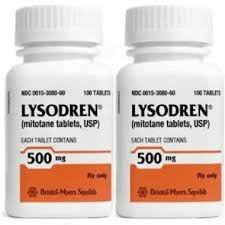
The drug instructions emphasize that the pharmacokinetic properties of mitotane show strong fat solubility, are mainly distributed in adipose tissue, and have a long half-life of up to 18 to 159 days. Therefore, it has a certain degree of accumulation and the dose needs to be adjusted carefully. The drug is metabolized by the liver and excreted in the bile and feces as metabolites, and is somewhat dependent on liver function. The risk of drug interactions related to the CYP enzyme system, especially CYP3A4, also requires vigilance. Antiepileptic drugs, anticoagulants, glucocorticoids, etc. may be affected by their metabolic induction effects. The instructions specifically remind that mitotane may reduce the effectiveness of other hormonal drugs and the dose needs to be adjusted.
In terms of adverse reactions, the most common side effects of mitotane include nausea, vomiting, anorexia, diarrhea, dizziness, ataxia and cognitive impairment, and some patients may develop central nervous system toxicity. Abnormal liver function, electrolyte disorders (especially low sodium and low potassium), and hyperlipidemia are also common clinical problems, and electrolytes and liver function indicators need to be monitored regularly. Women must take strict contraceptive measures during use, and men are advised to avoid getting their spouse pregnant for at least six months. For pregnant and lactating women, mitotane is classified as a pregnancy category D drug and its use is not recommended unless the potential benefits clearly outweigh the risks to the fetus.
The instructions also specifically mention the need to avoid driving and operating heavy machinery while taking the drug, as the drug may cause cognitive delay and motor coordination disorders. During medication, individualized dosage adjustments must be made under the guidance of an experienced oncologist, and side effects must be closely observed. If severe neurological reactions or adrenal crisis occur, the drug should be discontinued immediately or the dose should be reduced. It is also important to regularly monitor thyroid function, testosterone levels, and vitaminD status during treatment to detect endocrine-related toxicities in a timely manner.
Reference materials:https://go.drugbank.com/drugs/DB00648
[ 免责声明 ] 本页面内容来自公开渠道(如FDA官网、Drugs官网、原研药厂官网等),仅供持有医疗专业资质的人员用于医学药学研究参考,不构成任何治疗建议或药品推荐。所涉药品可能未在中国大陆获批上市,不适用于中国境内销售和使用。如需治疗,请咨询正规医疗机构。本站不提供药品销售或代购服务。


