
.jpeg)
Severe rash occurs when dacomitinib/dacomitinib is used to treat lung cancer. How to adjust the dose or discontinue the drug?
Skin rash is one of the more common adverse reactions during the treatment of non-small cell lung cancer with dacomitinib (Dacomitinib), especially moderate to severe skin toxic reactions, which may have a significant impact on the patient's quality of life. Dacomitinib is an irreversible EGFR inhibitor. As the skin is an organ where EGFR is widely distributed, its normal cells will experience a decrease in barrier function under drug inhibition, leading to problems such as rash, dryness, itching and even secondary infection. If the rash develops to grade 2 or above (such as extensive erythema, fusion of papules, blisters, etc.), timely intervention measures should be taken to avoid affecting patient compliance or causing serious consequences.
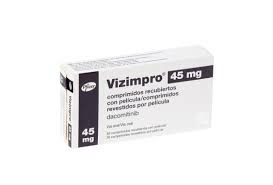
The preferred clinical strategy for dealing with severe rash is usually to suspend the medication or reduce the dose. The recommended starting dose of dacomitinib is 45 mg/day. If the patient has poor tolerance, it may be reduced to 30 mg or 15 mg/day, along with local skin care, oral antihistamines, or short-term use of oral anti-inflammatory drugs to relieve symptoms. Usually after the rash improves significantly, the doctor will decide whether to resume treatment based on the patient's response and select an appropriate maintenance dose. If the rash is recurrent or extremely severe, doctors may also recommend stopping dacomitinib and switching to other EGFR-targeted drugs such as gefitinib or osimertinib.
It should be noted that although rash is a side effect, some studies believe that its occurrence may also be related to drug response, especially in patients with early skin reactions, which are often accompanied by better tumor control rates. However, this does not mean that toxicity management should be ignored. Patients should understand possible skin reactions before starting treatment, take proactive preventive measures, such as using low-irritation skin care products, avoid exposure to the sun and hot water baths, etc., and seek medical treatment in a timely manner at the initial stage of symptoms. Proper management of rash not only helps improve patient tolerance but also ensures successful continuation of targeted therapy.
Reference materials:https://www.pfizer.com/products/product-detail/vizimpro
[ 免责声明 ] 本页面内容来自公开渠道(如FDA官网、Drugs官网、原研药厂官网等),仅供持有医疗专业资质的人员用于医学药学研究参考,不构成任何治疗建议或药品推荐。所涉药品可能未在中国大陆获批上市,不适用于中国境内销售和使用。如需治疗,请咨询正规医疗机构。本站不提供药品销售或代购服务。


