
.jpeg)
Interstitial pneumonia occurs after taking brigatinib/brigatinib, how to quickly identify and discontinue the drug
Brigatinib/Brigatinib (Brigatinib), as a second-generation ALK targeted therapy, has shown significant efficacy in non-small cell lung cancer (NSCLC) patients, especially in the treatment of patients with crizotinib resistance. It has high clinical application value. However, a serious but less common adverse effect of brigatinib treatment is interstitial lung disease (ILD) or pneumonitis, which usually occurs early after treatment. Early identification and timely intervention of this adverse reaction are crucial.
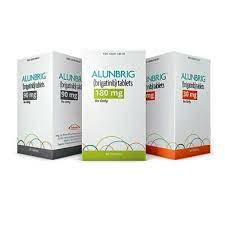
In the first 7 days after patients start taking brigatinib, low doses (such as 90 mg/day) are usually used for observation transition. This period is considered to be a critical window period to evaluate whether early pulmonary toxicity occurs. If symptoms such as difficulty breathing, dry cough, chest tightness, and fever occur at this stage, especially in the absence of infection or other clear lung causes, you need to be highly vigilant about drug-induced pneumonia. This type of drug-related pneumonia often occurs within 48 hours to 7 days after treatment, and a small number of cases may relapse when the drug is re-administered or the dose is increased later. Therefore, clinicians and patients should remain vigilant.
Once brigatinib-related interstitial pneumonitis is suspected, the drug should be discontinued immediately, and lung function, oxygenation status, and imaging studies (such asCT) should be evaluated. If drug-related pneumonia is diagnosed, hormonal therapy should be considered to reduce the pulmonary inflammatory response. Continuing to take the drug may lead to further decline in lung function and even life-threatening, so timely discontinuation of the drug is particularly critical. Whether brigatinib can be resumed in the future needs to be comprehensively evaluated based on the severity of the pneumonia, condition improvement, and the patient's overall tolerance. It is usually recommended to permanently discontinue use in more severe cases.
Reference materials:https://www.alunbrig.com/
[ 免责声明 ] 本页面内容来自公开渠道(如FDA官网、Drugs官网、原研药厂官网等),仅供持有医疗专业资质的人员用于医学药学研究参考,不构成任何治疗建议或药品推荐。所涉药品可能未在中国大陆获批上市,不适用于中国境内销售和使用。如需治疗,请咨询正规医疗机构。本站不提供药品销售或代购服务。


