
.jpeg)
Detailed Dosing Guide for Evantumumab
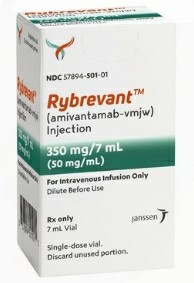
Amivantamab is a bispecific antibody targeting epidermal growth factor receptor (EGFR) and MET receptor, mainly used to treat non-small cell lung cancer (NSCLC). Its targeting effect makes it effective in treating certain cancer patients with specific genetic mutations. Below are detailed dosing guidelines for evantumumab.
1. Indications
Evantumumab is mainly used in the following situations:
1. Use in combination with lazertinib: For the first-line treatment of adult patients with locally advanced or metastatic non-small cell lung cancer who have EGFR exon 19 deletion or exon 21 L858R substitution mutation.
2. Used in combination with carboplatin and pemetrexed: For first-line treatment of adult patients with locally advanced or metastatic non-small cell lung cancer with EGFR exon 20 insertion mutations.
3. Monotherapy: For the treatment of adult patients with locally advanced or metastatic non-small cell lung cancer, especially those with EGFR exon 20 insertion mutations and disease progression during or after platinum-based chemotherapy.
2. Usage and dosage
1. Usual dosage for adults
For use in combination with lazetinib:
Administration: Evantumumab is injected once a week for 5 consecutive weeks.
Initial dose: Divide into two doses on the first and second days of the first week.
Follow-up administration: Starting from week 7, injection every 2 weeks.
Dosage:
Weight less than80 kg: 1050 mg intravenously.
Weight80 kg or more: 1400 mg IV.
For use with carboplatin and pemetrexed:
Administration: Evantumumab is injected once a week for 4 weeks.
Initial dose: Divide into two doses on the first and second days of the first week.
Follow-up administration: Starting from week 7, injection every 3 weeks.
Dosage:
DayWeeks 1 to 4:
Weight less than80 kg: 1400 mg intravenously.
Weight80 kg or more: 1750 mg IV.
From 7 weeks onwards:
Weight less than80 kg: 1750 mg intravenously.
Weight80 kg or more: 2100 mg IV.
3. Precautions
1. Allergic reaction: Before administering evantumumab, the patient should be evaluated for a history of allergies to the components of the drug to avoid severe allergic reactions.
2. Monitoring: During the treatment period, the patient's condition changes should be regularly monitored, especially tumor markers and imaging examinations, to evaluate the treatment effect and adjust the treatment plan.
3. Side effects management: Patients may experience some side effects, including but not limited to skin reactions, fatty liver, etc., which need to be appropriately treated according to clinical manifestations.
4. Combined medication: While using evantumumab, you need to pay attention to interactions with other drugs and consult your doctor to ensure the safety of the drug combination.
4. Medication guidance for special populations
Elderly patients: No special adjustments are required, but adverse reaction monitoring needs to be strengthened.
Hepatic and renal insufficiency: Insufficient data available, usually used in patients with mild to moderate impairment.
Pregnancy and lactation:
Animal studies have shown possible harm to the fetus and use during pregnancy should be avoided. Breastfeeding women should weigh the pros and cons of breastfeeding versus taking medications.
5. Drug interactions and monitoring recommendations
Synergy with lazertinib: Lazertinib is a third-generation EGFR TKI.It blocks active mutations and T790M resistance mutations. Combined use can improve the EGFR mutation control rate.
NoneCYP450 metabolic effects: Amivantamab is not metabolized by the CYP450 enzyme system and has a low risk of interaction with most drugs.
Monitoring focus: occurrence of infusion reactions. Changes in pulmonary symptoms, early warningILD. Kidney function, electrolyte levels (if used in combination with chemotherapy).
6. Drug storage and use recommendations
Storage conditions: Store refrigerated at 2°C to 8°C, avoid freezing and high temperatures. Avoid vigorous shaking before use and use aseptic techniques for preparation and infusion.
Infusion method: Administer by intravenous drip. Each infusion should be completed under the supervision of a medical professional.
7. Summary
Evantumumab, as a new targeted therapy drug, has demonstrated its potential in the treatment of non-small cell lung cancer. Its unique bispecific mechanism provides patients with new treatment options. When used, following professional dosing guidelines and monitoring measures will help maximize the effectiveness of treatment and reduce the risk of adverse reactions. For patients who hope to improve with this treatment option, timely communication with the medical team will help achieve better treatment outcomes.
Reference materials:https://www.rybrevant.com/
[ 免责声明 ] 本页面内容来自公开渠道(如FDA官网、Drugs官网、原研药厂官网等),仅供持有医疗专业资质的人员用于医学药学研究参考,不构成任何治疗建议或药品推荐。所涉药品可能未在中国大陆获批上市,不适用于中国境内销售和使用。如需治疗,请咨询正规医疗机构。本站不提供药品销售或代购服务。


