
.jpeg)
The difference between ruxolitinib tablets/ruxolitinib and hydroxyurea
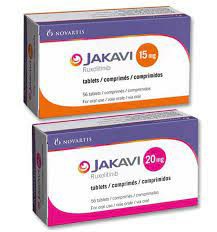
Ruxolitinib tablets/Ruxolitinib (JAKAVI) and hydroxyurea (Hydroxyurea) are both important drugs used clinically to treat myeloproliferative diseases, but their mechanisms of action, indications, pharmacological characteristics and clinical use strategies are essentially different. For patients with conditions such as polycythemia vera, primary myelofibrosis (PMF), or thrombocythemia vera, understanding the differences between these two drugs is critical for precision treatment.
Ruxolitinib is an oral, selective inhibitor of JAK1 and JAK2. It mainly regulates cytokine signaling by inhibiting the JAK-STAT signaling pathway, thereby reducing the inflammatory response and abnormal hematopoietic process related to abnormal bone marrow proliferation. Abnormal activation of the JAK pathway is believed to be closely related to a variety of myeloproliferative tumors, and ruxolitinib is therefore widely used to treat patients with intermediate- and high-risk myelofibrosis and polycythemia vera who have poor response or intolerance to hydroxyurea. The clinical use of ruxolitinib has significantly improved patients' splenomegaly, systemic symptoms, and quality of life, and has clear advantages in disease control.
Relatively speaking, as a traditional cytotoxic drug, hydroxyurea's mechanism is more inclined to directly inhibitDNA synthesis, thereby inhibiting the proliferation of bone marrow cells. It has long been used to control cellular levels in polycythemia vera and thrombocythemia vera, particularly when there are too many blood cells, by reducing the number of red blood cells or platelets to reduce the risk of thrombotic events. Due to its rich experience in use and relatively low price, it is still widely used in early-stage or low-risk patients. However, hydroxyurea has relatively many side effects, including bone marrow suppression, ulcers, skin pigmentation, etc. Some patients may experience poor tolerance or unsatisfactory treatment response during long-term use.
From the perspective of indications, hydroxyurea is more suitable for low-risk patients with elevated blood cell counts but no obvious symptoms or splenomegaly; while ruxolitinib is more suitable for medium- and high-risk patients with obvious symptoms, splenomegaly, strong inflammatory response, or those who are ineffective with traditional treatments. In terms of treatment goals, hydroxyurea is mainly used to control cell counts, while ruxolitinib focuses more on improving symptoms, reducing spleen volume, reducing inflammatory factor levels, and delaying disease progression.
In terms of pharmacokinetics, the two also behave differently. Ruxolitinib has a more rapid onset of action, and patients often experience symptom relief within a few weeks, and its blood concentration is relatively stable, making it suitable for long-term maintenance treatment. Hydroxyurea, on the other hand, has a slower onset of action and needs to gradually adjust the dose to achieve the best therapeutic effect. Its efficacy maintenance and adverse reaction management require higher clinical monitoring.
It is worth mentioning that the choice of two drugs in individualized treatment is also affected by the patient's genetic background, comorbidities, age, and previous treatment history. For example, for patients with JAK2 mutations and severe inflammatory symptoms, ruxolitinib may bring more significant relief than hydroxyurea; while for patients with renal dysfunction or heavy financial burden, hydroxyurea may be more feasible.
In general, although ruxolitinib and hydroxyurea are both treatment options for myeloproliferative diseases, their treatment strategies, user groups, and efficacy focus are very different. The former emphasizes targeted therapy and symptom improvement, while the latter is a classic cell control drug.
Reference materials:https://www.jakavi.com/
[ 免责声明 ] 本页面内容来自公开渠道(如FDA官网、Drugs官网、原研药厂官网等),仅供持有医疗专业资质的人员用于医学药学研究参考,不构成任何治疗建议或药品推荐。所涉药品可能未在中国大陆获批上市,不适用于中国境内销售和使用。如需治疗,请咨询正规医疗机构。本站不提供药品销售或代购服务。


