
.jpeg)
How does acotinib/acalabrutinib compare to zanubrutinib?
Acalabrutinib/Acalabrutinib and Zanubrutinib are both second-generation Bruton tyrosine kinase (BTK) inhibitors and are widely used to treat B Cell-related malignancies, especially chronic lymphocytic leukemia (CLL) and mantle cell lymphoma (MCL). Although the two have similar mechanisms of action, they have many differences in molecular structure, selectivity, safety and global clinical positioning. Therefore, they are often used for horizontal comparison in clinical practice.
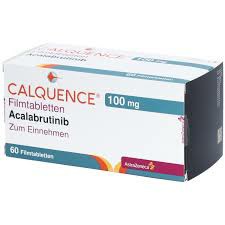
Acotinib was developed by AstraZeneca (AstraZeneca) and focuses on BTK inhibition with higher specificity. It is designed to avoid inhibition of non-target kinases such as EGFR and ITK as much as possible, so it is milder in terms of safety, especially showing a lower incidence of side effects in terms of arrhythmia, bleeding, rash and gastrointestinal discomfort. The standard dosing regimen of acotinib is orally administered twice a day, emphasizing the stabilization of blood concentrations to achieve the purpose of sustained inhibition of BTK activity.
In contrast, zanubrutinib was developed by China's BeiGene (BeiGene) and has strong global commercialization capabilities. The drug also performs well in terms of BTK target selectivity, and even shows higher BTK occupancy and brain penetration than acotinib in some studies. This feature makes zanubrutinib potentially advantageous in the treatment of B-cell tumors with a risk of central nervous system involvement. In addition, the dosing schedule of zanubrutinib is more flexible and can be taken twice daily or once daily. This method has positive significance in improving patient compliance.
There are also some differences in pharmacokinetics between the two drugs. The main consideration is to avoid interactions with food and gastric acid inhibitors. It is recommended to take acotinib on an empty stomach and avoid co-use with proton pump inhibitors. Zanubrutinib is slightly better in terms of convenience in taking the drug. It can be taken with food and is relatively insensitive to gastric acid inhibitors. In addition, from the perspective of long-term management, zanubrutinib has less inhibition on certain drug-metabolizing enzymes and the risk of drug interactions is relatively small, which is particularly important in patient groups that require combined medication.
The recommended status in international guidelines can also reflect the clinical influence of both. Acotinib is recommended as a first- and second-line treatment option for CLL in NCCN, ESMO and other guidelines, especially for patients with TP53 abnormalities or who are not suitable for chemotherapy. Zanubrutinib has also been widely included in major global treatment guidelines and is considered an alternative to ibrutinib in some clinical scenarios, especially for patients who have experienced adverse reactions to ibrutinib. It is a more tolerable option.
It is worth mentioning that the global launch pace of the two products also has varying degrees of impact on their clinical applications. Acotinib was approved earlier in Europe and the United States and has gradually expanded to the Asian market, while zanubrutinib, as a domestic innovative drug, has advanced more rapidly in the Chinese market and has taken the lead in medical insurance coverage. Its price strategy and accessibility have certain advantages in the country, allowing more patients to use the drug for a long time.
In general, acotinib and zanubrutinib have their own characteristics, and it is difficult to simply determine which one is better. Which BTK inhibitor to choose depends more on the patient's specific condition, previous treatment history, comorbid diseases, tolerance of adverse drug reactions, and patient medication compliance and other comprehensive factors. In clinical decision-making, doctors usually consider efficacy, safety, economic burden, and drug availability to tailor the most appropriate treatment plan for patients.
Reference materials:https://www.calquence.com/
[ 免责声明 ] 本页面内容来自公开渠道(如FDA官网、Drugs官网、原研药厂官网等),仅供持有医疗专业资质的人员用于医学药学研究参考,不构成任何治疗建议或药品推荐。所涉药品可能未在中国大陆获批上市,不适用于中国境内销售和使用。如需治疗,请咨询正规医疗机构。本站不提供药品销售或代购服务。


