
.jpeg)
Analysis of the efficacy and side effects of Ceritinib: treatment effects and common adverse reactions
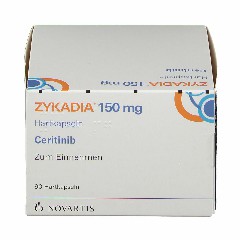
Ceritinib is a targeted drug, a tyrosine kinase inhibitor, mainly used to treat patients with non-small cell lung cancer (NSCLC) with positive ALK gene mutations. As a second-generation ALK inhibitor, ceritinib is more effective than the first-generation ALK inhibitors (such as crizotinib) in inhibiting ALK gene mutations, and is still effective in some patients who have developed resistance to crizotinib. This article will discuss the therapeutic effects and common side effects of ceritinib.
Therapeutic effect
Ceritinib inhibits the growth and spread of tumor cells by specifically inhibiting the abnormal tyrosine kinase activity caused by ALK (anaplastic lymphoma kinase) gene mutations. For patients with ALK positive non-small cell lung cancer, ceritinib is one of the important drugs in the current treatment. Studies have shown that ceritinib has a significant effect on patients with ALK mutated NSCLC. Especially for those patients who have previously used drugs such as crizotinib and developed resistance, ceritinib can still provide good therapeutic effects.
Ceritinib is administered orally, has strong bioavailability, and can effectively penetrate the blood-brain barrier. It has also shown positive therapeutic effects on patients with non-small cell lung cancer with brain metastasis. Therefore, ceritinib is an effective treatment option for ALK-positive lung cancer patients with brain metastases. In clinical trials, ceritinib showed a higher objective response rate (ORR) and a longer progression-free survival (PFS), significantly improving patient prognosis.
side effects
Although ceritinib is used in treatmentALK It has shown significant results in positive non-small cell lung cancer, but it can also cause some common adverse reactions, and patients need to be closely monitored and managed during treatment.
1.Gastrointestinal adverse reactions: One of the most common side effects of ceritinib is gastrointestinal reactions, including nausea, vomiting, diarrhea and loss of appetite. Gastrointestinal discomfort usually occurs early in treatment, and some patients gradually adjust to it over a few weeks. In order to alleviate these adverse reactions, doctors usually advise patients to take medications with meals, avoid taking them on an empty stomach, and use symptomatic drugs according to the patient's symptoms.
2.Liver function impairment: Ceritinib may cause liver function abnormalities, including elevated liver enzymes (such asALT, AST), jaundice, etc. Liver function monitoring is a routine test that must be performed during treatment. If significant abnormalities in liver function indicators are found, doctors may need to adjust the dose or discontinue the drug, or even stop treatment in severe cases. Therefore, regular examination of liver function is an aspect that patients must pay attention to during treatment.
3. Pulmonary adverse reactions: Ceritinib may cause pulmonary adverse reactions, such as pneumonia or interstitial lung disease. Some patients may experience cough, shortness of breath, chest pain and other symptoms, which may be manifestations of pulmonary reactions. When these symptoms occur, patients should seek medical advice as soon as possible, have their lung function evaluated, and be treated according to the doctor's recommendations.
4.Cardiovascular side effects: Some patients may experience cardiovascular-related adverse reactions when using ceritinib, such as QT prolongation (i.e., prolongation of cardiac conduction time seen on electrocardiogram), which may lead to arrhythmia. ECG monitoring is a necessary examination item during treatment, especially for patients with a history of heart disease, where it may be necessary to adjust the drug dosage or temporarily discontinue the drug.
Comprehensive management
Since the side effects of ceritinib are relatively obvious, patients need to conduct effective side effect management under the guidance of a doctor during treatment. First of all, doctors usually conduct a comprehensive assessment of the patient's liver function, electrocardiogram, etc. at the beginning of treatment, and adjust the drug dosage according to the patient's individual differences. In addition, patients should pay close attention to the occurrence of gastrointestinal discomfort, shortness of breath and other symptoms during use, report to the doctor in time, and undergo necessary examination and treatment.
For gastrointestinal reactions, patients can alleviate them by changing dietary habits and using anti-nausea drugs; for liver function abnormalities, doctors may reduce the drug dose or suspend treatment. Cardiovascular monitoring is particularly important for patients with underlying medical conditions, and pharmacological intervention can be used when necessary to maintain heart health. Pulmonary reactions are another major safety risk in the use of ceritinib. If symptoms such as dyspnea are found, the drug should be discontinued immediately and further evaluation should be conducted.
Ceritinib, as a therapeutic drug targeting ALK mutations, plays a crucial role in the treatment of ALK positive non-small cell lung cancer, especially in drug-resistant patients. However, patients need to pay attention to possible side effects when using ceritinib, especially gastrointestinal reactions, liver function impairment, pulmonary adverse reactions and cardiovascular problems. Through regular examinations and timely intervention, most side effects can be effectively controlled and patients can get the maximum benefit from treatment. Therefore, individualized management and close monitoring during treatment are key to successful treatment.
Reference materials:https://www.novartis.com/our-products/pipeline/ceritinib
[ 免责声明 ] 本页面内容来自公开渠道(如FDA官网、Drugs官网、原研药厂官网等),仅供持有医疗专业资质的人员用于医学药学研究参考,不构成任何治疗建议或药品推荐。所涉药品可能未在中国大陆获批上市,不适用于中国境内销售和使用。如需治疗,请咨询正规医疗机构。本站不提供药品销售或代购服务。


