
.jpeg)
Standard usage and dosage of Axitinib targeted drug
Axitinib is an oral targeted drug mainly used to treat patients with advanced or metastatic renal cell carcinoma (RCC), especially those who have failed to respond to initial treatment or other drugs. Axitinib is a multi-target tyrosine kinase inhibitor that can inhibit multiple receptors related to tumor growth and angiogenesis, including VEGFR (vascular endothelial growth factor receptor) 1, 2
Standard usage
The standard usage of axitinib is to titrate the dose based on patient tolerance to maximize efficacy while minimizing adverse effects. Axitinib is usually administered orally and is recommended after meals to reduce possible gastrointestinal discomfort. When starting treatment, patients typically start at a lower dose, which is adjusted by the doctor based on the patient's health and tolerance.
Dosage
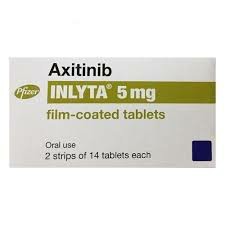
According to the instructions for use of axitinib, the standard initial dose is usually 5 mg twice daily. Patients should adjust the dose according to the doctor's instructions. The common adjustment method is to increase or decrease the dose every 2 weeks to achieve the best therapeutic effect. The range of dose adjustment is usually 5mg, that is, each adjustment dose is 10mg, 15mg, 20mg, and can be increased up to 10mg each time. If the patient experiences obvious adverse reactions, the doctor can reduce the dose or temporarily discontinue the drug based on the patient's symptoms.
For some patients with poor tolerance, doctors may start with a lower dose, such as2mgTake twice daily and then gradually increase the dose to help the patient better adapt to the drug. While taking axitinib, patients need to undergo regular check-ups to evaluate the effectiveness of the treatment and monitor possible side effects of the drug.
Dosage adjustments and special circumstances
Dose adjustments of axitinib are generally based on the patient's tumor response, tolerability, and severity of adverse effects. For example, if a patient experiences adverse reactions such as severe hypertension, gastrointestinal discomfort, bleeding, etc., the doctor may temporarily reduce the dose or discontinue the drug depending on the situation. In some cases, patients' treatment may need to be individually adjusted based on their liver function, kidney function and other physiological status.
For patients with mild to moderate hepatic impairment, the dose of axitinib usually does not need to be adjusted; however, for patients with more severe hepatic impairment, doctors may recommend a dose reduction or discontinuation of the drug. In patients with renal impairment who have significant renal failure, use axitinib with extreme caution and strictly follow your doctor's instructions.
Medication time and administration method
Axitinib should be taken twice daily at the same time as directed by your doctor, preferably with or after food to reduce possible gastrointestinal discomfort. The timing of the two daily doses should be consistent to ensure that the drug concentration reaches a stable level in the body. If a dose is missed, the patient should refill it as soon as possible, but if the next dose is approaching, the missed dose should be skipped and the patient should continue taking the medication as originally planned.
While taking axitinib, patients should maintain adequate fluid intake, avoid dehydration, and monitor their weight and blood pressure. Since axitinib may cause problems such as high blood pressure and dehydration, patients need to regularly monitor these physiological parameters during treatment to ensure that drug treatment will not have adverse effects on health.
In summary, axitinib, as a targeted drug, has significant anti-tumor effects, especially in the treatment of advanced renal cell carcinoma, and its effect has been clinically verified. However, the use of the drug requires individualized adjustment, and patients should gradually adjust the dosage under the guidance of a doctor to achieve the best therapeutic effect. Patients also need to regularly monitor internal indicators during treatment and provide timely feedback on possible adverse reactions. The dosage and dosage of axitinib should be adjusted according to the advice of a professional doctor to ensure the safety and effectiveness of the treatment.
Reference materials:https://en.wikipedia.org/wiki/Axitinib
[ 免责声明 ] 本页面内容来自公开渠道(如FDA官网、Drugs官网、原研药厂官网等),仅供持有医疗专业资质的人员用于医学药学研究参考,不构成任何治疗建议或药品推荐。所涉药品可能未在中国大陆获批上市,不适用于中国境内销售和使用。如需治疗,请咨询正规医疗机构。本站不提供药品销售或代购服务。


