
.jpeg)
What are the key information in the Epclusa instruction manual?
Epclusa is a broad-spectrum oral direct antiviral drug (DAA
In the instructions for use, the indications of Jisandai are one of the most critical information. Gisanda is approved for the treatment of chronic hepatitis C, including genotypes 1 to 6, in adults and children aged 18 years and older (age 3 years and above). For patients without cirrhosis or with compensated cirrhosis (Child-Pugh A grade), Gisada can be used alone, and the treatment course is usually 12 weeks; while for patients with decompensated cirrhosis (Child-Pugh B or C grade), it needs to be used in combination with ribavirin. The instructions also point out that regardless of whether the patient has received antiviral treatment, Jisandai has good curative effect, with a cure rate of over 95%.
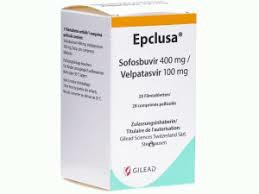
Regarding dosage and usage, the instructions clearly stipulate that adults should take 1 tablets daily. Each tablet contains 400mg of sofosbuvir and 100mg of velpatasvir. It is recommended to swallow the whole tablet at the same time every day. Do not chew or break it. It can be taken before or after meals. For children (3 years old and above), the dosage needs to be adjusted according to body weight, and the specific usage plan needs to be formulated after evaluation by a doctor. The entire treatment cycle lasts for 12 weeks. It is not recommended to stop the medication or miss doses midway to avoid affecting the therapeutic effect.
The precautions and contraindications of Jisandai are also the key contents in the instructions. First of all, pregnant and lactating women should use it with caution, especially when combined with ribavirin treatment, because ribavirin has teratogenic effects. In addition, there are interactions between GISANDER and certain drugs, such as proton pump inhibitors (omeprazole), rifampicin, St. John's wort, etc., which may affect drug absorption or metabolism, so combination use must be avoided or the regimen must be adjusted. In combinationHIV orHBVIn patients with HBV infection, the virus level also needs to be closely monitored when using GIS3. Because HBV may be at risk of reactivation, it is recommended to conduct HBV screening before treatment.
Regarding side effects, Jisandai is generally well tolerated, but some mild discomfort may still occur. Common side effects listed in the instructions include: headache, fatigue, nausea, insomnia, etc., most of which are mild and reversible. In patients treated with ribavirin, side effects may be aggravated, such as anemia, rash, anxiety, etc., and they need to be closely observed under the guidance of a doctor. In rare cases, serious adverse reactions such as liver function abnormalities and allergic reactions may occur, but the incidence is low.
In addition, the instructions also provide medication recommendations for special groups of people. For patients with renal insufficiency, especially those with moderate to severe renal impairment or those receiving dialysis, Gisanda can be used normally without dosage adjustment. For patients with severely impaired liver function, such as those with decompensated cirrhosis, it is recommended to use it in combination with ribavirin, but side effects need to be closely monitored. For young children and the elderly, Jisandai also shows good safety, but it should still be adjusted and evaluated based on individual circumstances.
In summary, Epclusa (Epclusa) is an advanced hepatitis C treatment drug, and its instructions provide detailed usage, dosage, indications and precautions. Correctly following the instructions and using it under the guidance of a doctor are the keys to ensuring successful treatment and avoiding side effects. Due to its pan-genotypic therapeutic advantages and high cure rate, Jisandai has become one of the preferred options for the treatment of chronic hepatitis C worldwide.
Reference: https://www.epclusa.com/
[ 免责声明 ] 本页面内容来自公开渠道(如FDA官网、Drugs官网、原研药厂官网等),仅供持有医疗专业资质的人员用于医学药学研究参考,不构成任何治疗建议或药品推荐。所涉药品可能未在中国大陆获批上市,不适用于中国境内销售和使用。如需治疗,请咨询正规医疗机构。本站不提供药品销售或代购服务。


