
.jpeg)
What are the common effects and side effects of Enasidenib?
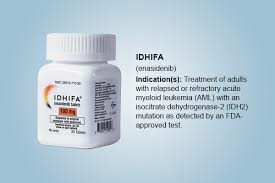
Enasidenib is a targeted drug used to treat certain types of leukemia, especially acute myeloid leukemia (AML) patients with mutations in the IDH2 gene. It is an isocitrate dehydrogenase 2 (IDH2) inhibitor that can target and inhibit the mutated IDH2 enzyme, reduce metabolites related to tumor cell growth, thereby preventing abnormal differentiation and proliferation of leukemia cells. Ensi Dipine by AmericaAgios Pharmaceuticals was developed by the company and later licensed to Celgene (now Bristol-Myers Squibb BMS) for commercial sales. It was approved for marketing by the U.S. FDA in 2017 .
Common mechanisms of action and therapeutic effects
The main mechanism of action of ensidipine is to target the IDH2 mutant enzyme. IDH2 is a metabolic enzyme in mitochondria. Under normal circumstances, it catalyzes the conversion of isocitrate into α-ketoglutarate. However, in some AML patients, IDH2 mutations produce an abnormal metabolite -
Clinical studies have shown that ensidipine has significant efficacy in patients with relapsed or refractory AML, especially in individuals confirmed to carry IDH2 mutations. Some patients can achieve complete remission or partial remission after treatment. In addition, ensidipine is an oral drug that is easy to take and does not require hospitalization for chemotherapy during the treatment. It is an important treatment option for elderly patients with weak constitutions or who are not suitable for chemotherapy.
Common side effects
Although ensidipine has shown good efficacy in the treatment ofIDH2mutationsAML, some side effects may still occur during use, and patients and doctors need to pay close attention. The following are the most common side effects of ensidipine:
1.Differentiation Syndrome (Differentiation Syndrome)
This is one of the most serious but treatable complications of ensidipine use. Because the drug promotes the differentiation of leukemia cells into normal cells, a large number of white blood cells in the body rapidly release cytokines, which may lead to symptoms such as fever, difficulty breathing, hypotension, and pulmonary edema. Differentiation syndrome usually occurs in the first few weeks of treatment and can be life-threatening if not treated in time, but it can generally be effectively relieved by corticosteroids (such as dexamethasone).
2.Hyperuricemia and abnormal liver function
Ensidipine may affect the purine metabolism in the body during the metabolic process. Some patients will experience an increase in blood uric acid. It may also lead to an increase in liver enzymes (ALT, AST), an increase in bilirubin and other liver function abnormalities. It is necessary to regularly monitor liver and kidney function and adjust medication as appropriate.
3.Gastrointestinal reactions
Ensidipine may cause gastrointestinal discomfort such as nausea, vomiting, decreased appetite, diarrhea, or constipation. These reactions are generally mild to moderate and can be alleviated through dietary adjustments or the use of symptomatic drugs.
4.Fatigue and decreased physical strength
Some patients will feel obvious fatigue during treatment, which may be related to the effect of the drug on body metabolism and the state of the original disease. It is recommended to rest and gradually resume daily activities under the guidance of a doctor.
5.Abnormalities in the blood system
Since ensidipine mainly acts on the hematopoietic system, some patients may experience leukocytosis, anemia or platelet changes during use. Although these changes reflect differentiation efficacy to some extent, treatment risks still need to be controlled through routine blood monitoring and clinical judgment.
Suggestions and precautions for use
Before using ensidipine, molecular testing must be performed to confirm whether the patient has a IDH2 gene mutation. This targeted therapy is only effective in patients with specific genetic backgrounds and is not recommended if there is no IDH2 mutation.
During use, it is recommended to conduct regular blood tests, electrolyte tests, and liver and kidney function monitoring every 1-2 weeks. In particular, be wary of early signs of differentiation syndrome, such as unexplained fever, chest tightness, or rapid weight gain. Once they occur, you should seek medical attention immediately and initiate intervention treatment.
In addition, ensidipine may interact with other drugs. For example, when combined with certain CYP3A4 enzyme inhibitors or inducers, it may affect its metabolic concentration. Therefore, it is necessary to explain all current medications to the doctor to avoid adverse reactions.
Ensidipine (Enasidenib) is an innovative targeted drug specifically used to treat IDH2 mutation-related acute myeloid leukemia. It inhibits abnormal metabolic pathways and promotes the normal differentiation of leukemia cells, thereby achieving the purpose of controlling the disease. Although the drug has clear efficacy and oral convenience, it may cause side effects such as differentiation syndrome, abnormal liver function, and gastrointestinal discomfort during use. Therefore, the use of ensidipine must be conducted under the guidance of genetic testing and individualized treatment under physician monitoring to ensure maximum efficacy while avoiding potential risks. If you are considering using ensidipine, it is recommended that you discuss it with your hematologist and develop an appropriate treatment plan.
Reference materials:https://www.idhifa.com/
[ 免责声明 ] 本页面内容来自公开渠道(如FDA官网、Drugs官网、原研药厂官网等),仅供持有医疗专业资质的人员用于医学药学研究参考,不构成任何治疗建议或药品推荐。所涉药品可能未在中国大陆获批上市,不适用于中国境内销售和使用。如需治疗,请咨询正规医疗机构。本站不提供药品销售或代购服务。


