
.jpeg)
What is the approximate reimbursement ratio of ruxolitinib tablets/ruxolitinib in medical insurance?
Ruxolitinib tablets/ruxolitinib (JAKAVI), as an oral drug targeting the Janus kinase (JAK1/JAK2) signaling pathway, has occupied an important position in the treatment of hematological diseases and graft-versus-host disease (GVHD) in recent years. Since the original drug was approved for marketing in China under the name of "ruxolitinib phosphate tablets", its medical insurance coverage has become the focus of great concern for many patients and their families. From the perspective of medical insurance policy, JAKAVI has been included in the Category B category of the National Medical Insurance Drug Catalog. Although the reimbursement ratio varies by region, in most provinces and cities it can achieve a reimbursement ratio of about 70%-80%, effectively reducing the financial burden on patients.
In terms of medical insurance indications, the National Medical Insurance Directory has relatively clear limits on the scope of application of ruxolitinib. First of all, it mainly targets patients with three types of myelofibrosis: intermediate-risk or high-risk primary myelofibrosis (PMF), myelofibrosis secondary to polycythemia vera (PPV-MF), and myelofibrosis secondary to essential thrombocythemia (PET-MF). In addition, patients with acute or chronic graft-versus-host disease who are 12 years old and above and have poor response to glucocorticoids or other systemic treatments can also be included in the scope of medical insurance reimbursement according to regulations. When applying for medical insurance reimbursement, the above-mentioned groups must have standardized diagnosis certificates, treatment records and prescriptions issued by specialists, and the medication must meet the conditions listed in the medical insurance drug instructions.
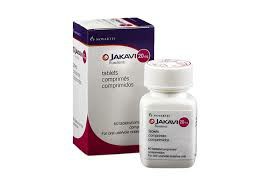
In terms of drug specifications, common domestic specifications of JAKAVI include 20 mg × 14 tablets and 5 mg × 60 tablets. Among them, the 20mg strength is mainly used for adult diseases such as myelofibrosis, while the 5mg strength is mostly used for immune diseases such as GVHD. Although the original drug is priced relatively high, for example, a box of 5 mg × 60 tablets costs about RMB 3,000, after medical insurance reimbursement, the patient's out-of-pocket expense is significantly reduced, making long-term treatment more sustainable.
Reference materials:https://www.jakavi.com/
[ 免责声明 ] 本页面内容来自公开渠道(如FDA官网、Drugs官网、原研药厂官网等),仅供持有医疗专业资质的人员用于医学药学研究参考,不构成任何治疗建议或药品推荐。所涉药品可能未在中国大陆获批上市,不适用于中国境内销售和使用。如需治疗,请咨询正规医疗机构。本站不提供药品销售或代购服务。


