
.jpeg)
Will symptoms return after stopping ruxolitinib tablets/ruxolitinib?
Ruxolitinib tablets/ruxolitinib(JAKAVI), as an oral JAK1/2 inhibitor, has made important breakthroughs in the treatment of myelofibrosis, polycythemia vera, graft-versus-host disease (GVHD) and other diseases. However, many patients face a key question after completing a course of treatment or discontinuing treatment due to adverse reactions: Will discontinuing treatment lead to a rebound or worsening of symptoms?
The drug description shows that ruxolitinib does have a rebound phenomenon after stopping the drug (rebound), which is especially noticeable when the drug is stopped quickly or suddenly. The root cause of this phenomenon lies in the restoration of responsiveness of the JAK-STAT signaling pathway. When the drug is quickly withdrawn, cytokine levels may rise sharply in a short period of time, causing symptoms to relapse or even become more severe than before the drug was taken. The most common manifestations of rebound include rapid spleen enlargement, recurrence of existing fatigue and bone pain, and worsening of anemia or white blood cell changes. In some cases, "discontinuation syndrome" may also occur, manifesting as an acute systemic inflammatory response requiring urgent intervention.
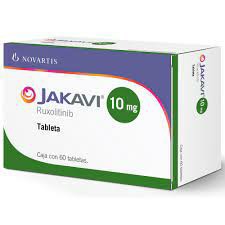
In order to reduce the risk of rebound after drug withdrawal, clinical practice usually recommends a gradual tapering strategy rather than a sudden interruption. Doctors will develop an individualized medication reduction plan based on the patient's condition stability, blood indicators, and risk of complications. For example, reduce the dose by a certain amount every week, while closely monitoring blood and symptom changes to ensure that the withdrawal process is safe and controllable. In some cases, if there are obvious signs of rebound, it is necessary to resume medication in the short term or switch to other treatment options to smooth the transition.
In addition, patients who have been taking ruxolitinib for a long time and whose condition has been controlled and stabilized need to be followed up regularly to evaluate the necessity of continued medication and possible resistance manifestations. For patients with combined infection or bone marrow suppression, an early warning mechanism should be established during the discontinuation process to avoid treatment failure due to premature discontinuation.
Reference materials:https://www.jakavi.com/
[ 免责声明 ] 本页面内容来自公开渠道(如FDA官网、Drugs官网、原研药厂官网等),仅供持有医疗专业资质的人员用于医学药学研究参考,不构成任何治疗建议或药品推荐。所涉药品可能未在中国大陆获批上市,不适用于中国境内销售和使用。如需治疗,请咨询正规医疗机构。本站不提供药品销售或代购服务。


