
.jpeg)
Comparative analysis of pharmacological differences between entrectinib and ensartinib
Entrectinib and ensartinib are both oral small molecule tyrosine kinase inhibitors and are widely used in the treatment of non-small cell lung cancer (NSCLC) and other tumor types. However, there are significant differences in their mechanisms of action, target selection, scope of indications, molecular structure characteristics and clinical use strategies. From a professional perspective, a correct understanding of the differences between these two targeted drugs is of great significance for patients' precise medication and doctors' individualized treatment decisions.
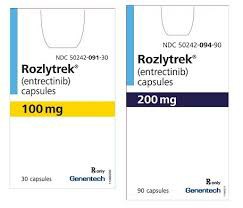
Enrectinib is a multi-target inhibitor that mainly targetsNTRK1/2/3, ROS1 and ALK fusion genes. Its initial clinical development was to treat solid tumors carrying NTRK gene fusions. This type of tumor has the characteristics of distribution across cancer types. Therefore, entrectinib has become one of the first targeted drugs to obtain a "tissue-agnostic indication" (tumor-agnostic indication). It has also subsequently been confirmed to be effective in patients with ROS1 fusion-positive NSCLC, especially in patients with central nervous system metastases, showing good brain penetration. Precisely because its targets are more diverse and specific, entrectinib is often used in patients whose genetic testing finds positive NTRK or ROS1 fusions. This target is relatively rare, but once it exists, it is very sensitive to the drug.
In contrast, the targets of ensartinib are relatively concentrated, mainlyALK (anaplastic lymphoma kinase) fusion mutations. It is a member of the second-generation ALK inhibitors and was originally designed to overcome the resistance problem of the first-generation ALK inhibitor Crizotinib. Ensartinib has good activity against multiple ALK resistance mutations and has demonstrated certain ability to control brain metastasis. Although it is slightly inferior to third-generation drugs such as lorlatinib in its ability to cross the blood-brain barrier, it has been shown to be superior to crizotinib in multiple studies. For patients with ALK-positive non-small cell lung cancer, ensartinib provides a more efficient and tolerable treatment option, especially in first-line treatment, which is gradually gaining attention.
In addition, the indications of the two drugs are also different. The main indications for entrectinib are NTRK fusion solid tumors and ROS1-positive lung cancer. It has been approved by the US FDA and the European EMA for the treatment of these two molecular types of tumors. The indications of ensartinib are more focused on ALK-positive NSCLC. It is a targeted drug with stronger ALK inhibition specificity and wider drug resistance spectrum. Both emphasize precise treatment strategies based on genetic testing, but the targets of testing are completely different. Entrectinib is more suitable for patients with rare fusion genes found after broad-spectrum screening, while ensartinib is suitable for lung cancer patients with ALK fusion mutations.
From the perspective of pharmacokinetics and safety, there are also certain differences between the two. Entrectinib has strong penetration into the central nervous system and has low drug-related neurotoxicity. In contrast, common side effects of ensartinib include rash, elevated liver enzymes, gastrointestinal discomfort, etc. Most are reversible and controllable reactions, but dose adjustment or monitoring is required in individual patients. The two drugs also have different interference mechanisms in metabolic pathways and CYP enzyme systems. Entrectinib needs to pay attention to drug interactions with strong CYP3A inhibitors/inducers, while ensartinib has relatively low metabolic risks.
In general, entrectinib and ensartinib are both representative drugs in the current field of targeted therapy, but their targets, clinical populations, and treatment pathways are significantly different.
Reference materials:https://www.roche.com/products/rozlytrek
[ 免责声明 ] 本页面内容来自公开渠道(如FDA官网、Drugs官网、原研药厂官网等),仅供持有医疗专业资质的人员用于医学药学研究参考,不构成任何治疗建议或药品推荐。所涉药品可能未在中国大陆获批上市,不适用于中国境内销售和使用。如需治疗,请咨询正规医疗机构。本站不提供药品销售或代购服务。


