
.jpeg)
U.S. FDA approves new immunotherapy drug Penpulimab for recurrent nasopharyngeal cancer
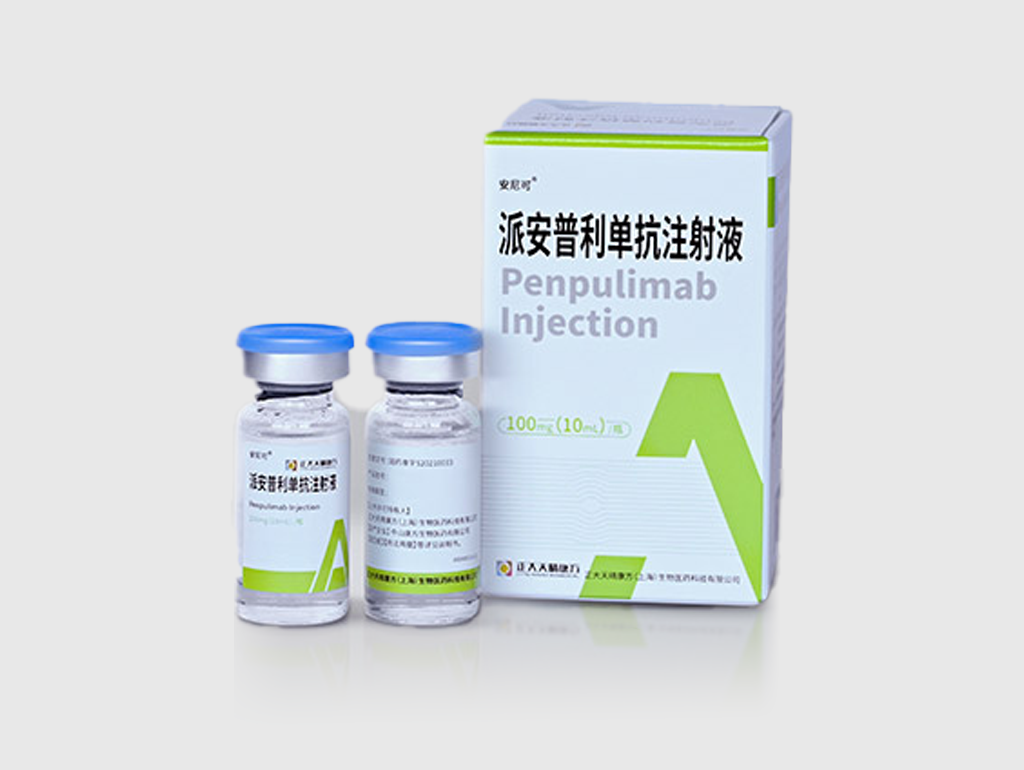
2025Year4Month23Day, Akeso Biopharma) announced that it has developed immunotherapy Penpulimab-kcqx (also known as AK105) has been approved by the U.S. Food and Drug Administration (FDA) for the treatment of adult patients with recurrent or metastatic nonkeratinizing nasopharyngeal carcinoma (NPC). The drug can be used as a first-line treatment in combination with cisplatin or carboplatin and gemcitabine, or as a monotherapy for patients with metastatic nasopharyngeal carcinoma whose disease has progressed after platinum-based chemotherapy and other treatments. This approval provides a new treatment option for patients with advanced nasopharyngeal cancer in the United States.
Penpulimab-kcqx is a PD-1 inhibitor that belongs to the immune checkpoint inhibitory class of drugs. Previously, Penpulimab-kcqx has been approved in China for the treatment of advanced nasopharyngeal cancer and has proven its effectiveness in the region. FDA’s approval enables this innovative treatment option to help American patients, especially for those advanced patients whose disease has relapsed or metastasized after traditional chemotherapy. Penpulimab-kcqx undoubtedly provides a new hope.
Based onAK105-304clinical research (NCT04974398 ) results, Penpulimab-kcqx can significantly improve the therapeutic effect of patients with recurrent or metastatic nasopharyngeal carcinoma when used in combination with cisplatin or carboplatin and gemcitabine. This randomized, double-blind, multicenter clinical trial included 291 patients. The results showed that patients who received the Penpulimab-kcqx combination therapy had an improved progression-free survival (PF (S) median was 9.6 months, which was significantly better than 7.0 months in the placebo group (hazard ratio, 0.45). This result shows that Penpulimab-kcqx combined with chemotherapy can effectively delay tumor progression and give patients more hope for survival.
In addition, in the AK105-202 study (NCT03866967), Penpulimab-kcqx demonstrated promising efficacy as monotherapy in patients with nasopharyngeal carcinoma whose disease had progressed after platinum-based chemotherapy and other treatments. A total of 125 patients were included in the study. The study results showed that the objective response rate (ORR) of Penpulimab-kcqx was 28%, and some patients were able to maintain long-term remission, with varying treatment durations. Although some patients experienced immune-mediated side effects, such as pneumonia and colitis, most side effects were mild or moderate and could be controlled.
In terms of safety, when Penpulimab-kcqx is combined with cisplatin or carboplatin and gemcitabine, the most common adverse reactions include nausea, vomiting, fatigue, rash, etc. Most of these side effects are mild to moderate and can be managed by patients under the guidance of a doctor. For monotherapy, the most common side effects were hypothyroidism and musculoskeletal pain. Although a few patients experienced serious adverse reactions (such as pneumonia, septic shock, etc.), overall, the safety profile of Penpulimab-kcqx is still within an acceptable range.
FDA's approval ofPenpulimab-kcqx means patients will have more options after traditional treatments fail. The drug brings new treatment hope to patients with advanced nasopharyngeal cancer, especially those who cannot tolerate traditional treatments or whose disease cannot be controlled. With further accumulation of clinical data, Penpulimab-kcqx is expected to become an important breakthrough in the treatment of nasopharyngeal cancer.
Reference:FDA approves penpulimab-kcqx for non-keratinizing nasopharyngeal carcinoma. FDA. April 23, 2025.Accessed April 24, 2025.
[ 免责声明 ] 本页面内容来自公开渠道(如FDA官网、Drugs官网、原研药厂官网等),仅供持有医疗专业资质的人员用于医学药学研究参考,不构成任何治疗建议或药品推荐。所涉药品可能未在中国大陆获批上市,不适用于中国境内销售和使用。如需治疗,请咨询正规医疗机构。本站不提供药品销售或代购服务。


