
.jpeg)
How safe is the Bangladeshi version of Tirzepatide?
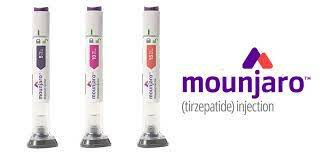
The Bangladeshi version of Tirzepatide (Tirzepatide) is a new dual GLP-1 receptor agonist and GIP (glucose-dependent insulin secretory peptide) receptor agonist, mainly used for the treatment of 2 type diabetes. It helps regulate blood sugar levels and helps reduce weight through a dual mechanism of action, so it shows great potential in treating patients with diabetes and obesity. Although the price of the Bangladeshi version of tilsiparatide as a generic drug is relatively economical, its safety issues are still a focus of concern for patients.
1. The mechanism of action and therapeutic effect of tisiparatide
The main therapeutic effect of tisiparatide is that it can enhance insulin secretion, lower blood sugar, and reduce appetite by simulating the effects of two intestinal hormones (GLP-1 and GIP), thereby achieving the effect of controlling blood sugar and weight. GLP-1 (Glucose-dependent insulin secretory peptide) is a hormone released in the intestine that stimulates insulin secretion and inhibits gastric emptying, producing a feeling of fullness. GIP (glucose-dependent insulin secretory peptide) promotes insulin secretion and has a certain impact on fat metabolism. As a dual receptor agonist, tilsiparatide combines the effects of these two hormones, making its therapeutic effect on diabetes more significant.
The Bangladeshi version of tisiparatide is completely consistent with the original drug in terms of ingredients and mechanism of action, so its therapeutic effects are usually similar to the original drug. In terms of controlling blood sugar and improving symptoms of diabetes, tisiparatide has shown good efficacy in clinical trials. It can significantly reduce glycated hemoglobin (HbA1c) levels, help with weight loss, and even lower blood pressure.
2. Safety issues of tisiparatide
Although the ingredients of the Bangladeshi version of tilsiparatide are the same as the original drug, its safety is still a focus of concern for many patients and doctors. According to available clinical data, tilsiparatide is generally safe, but like any drug, it has some potential adverse effects, especially with long-term use.
Common side effects:
Gastrointestinal discomfort: One of the common side effects of tilsiparatide is gastrointestinal reactions, especially early in treatment. These side effects include nausea, vomiting, diarrhea, constipation, etc. Most of these symptoms are mild and gradually decrease over time. However, some patients may experience these discomforts, so special attention needs to be paid to how the drug is used and dosage adjustments.
Hypoglycemia: Although the incidence of hypoglycemia is low when tilsiparatide is used as a monotherapy in the treatment of diabetes, the risk of hypoglycemia may be increased when used in combination with other antidiabetic agents (e.g., sulfonylureas). Therefore, if the patient is taking other antidiabetic drugs while using tisiparatide, blood glucose levels need to be closely monitored to avoid the occurrence of hypoglycemia.
Weight Loss: Tesiparatide often causes weight loss, which is a beneficial side effect, especially in people with type 2 diabetes who are overweight or obese. However, for some patients who are underweight or have special health problems, this side effect may pose a risk. Therefore, during the use of tisiparatide, doctors need to make appropriate monitoring and adjustments based on the patient's specific conditions.
Pancreatic problems: Like otherGLP-1 receptor agonists, tilsiparatide may increase the risk of pancreatic problems, although this risk is lower. Some patients may experience symptoms of pancreatitis, such as severe abdominal pain, nausea, etc. If a patient develops these symptoms while taking tilsiparatide, they should stop use immediately and seek medical help.
Kidney effects: Tisiparatide has a relatively small impact on kidney function, but some patients with diabetes already have kidney problems, so special care needs to be taken when using it in such patients, especially at high doses, which may put some pressure on kidney function.
Rare side effects:
Anaphylaxis: Although extremely rare, tilsiparatide may cause allergic reactions. If patients develop symptoms such as rash, shortness of breath, facial swelling, etc., they should stop using the medication immediately and seek emergency treatment.
Thyroid problems: Whether there is a direct link between tilsiparatide use and the risk of thyroid problems, such as thyroid cancer, is not fully understood. Although clinical studies have not shown a significant increased risk, patients should be concerned about any possible thyroid symptoms during use.
3. Bangladesh version of tisiparatide
The quality and safety profile of the Bangladeshi version of tilsiparatide is generally similar to that of the original drug because its ingredients are consistent with the original drug and it is manufactured under a legal manufacturing environment. Bangladeshi pharmaceutical factories usually follow strict quality control standards to ensure the safety and effectiveness of generic drugs. However, when using the Bangladeshi version of tisiparatide, patients still need to pay attention to the source and purchase channels of the drug to ensure the quality and authenticity of the drug.
The Bangladeshi version of tilsiparatide is generally more affordable, which is why it is favored by some patients. When patients choose such drugs, they can purchase them through formal channels to ensure the authenticity and safety of the drugs.
As a generic drug, the Bangladeshi version of tisiparatide has exactly the same ingredients and therapeutic effects as the original drug, so its safety profile is also roughly the same. It has significant efficacy in treating type 2 diabetes and obesity, but it also has some common side effects, such as gastrointestinal discomfort, hypoglycemia, weight loss, etc. Although the price of the Bangladeshi version of tisiparatide is more affordable, patients still need to be cautious during use, especially in the case of long-term use. It is recommended that patients use this drug under the guidance of a doctor and regularly monitor their health status to ensure the safety and effectiveness of treatment.
Reference materials:https://www.drugs.com/tirzepatide.html
[ 免责声明 ] 本页面内容来自公开渠道(如FDA官网、Drugs官网、原研药厂官网等),仅供持有医疗专业资质的人员用于医学药学研究参考,不构成任何治疗建议或药品推荐。所涉药品可能未在中国大陆获批上市,不适用于中国境内销售和使用。如需治疗,请咨询正规医疗机构。本站不提供药品销售或代购服务。


