
.jpeg)
Is Crizotinib an anti-angiogenic drug?
Crizotinib (Crizotinib) is not an anti-angiogenic drug, but a targeted therapy drug mainly used to treat certain types of cancer, especially lung cancer. It is a receptor tyrosine kinase inhibitor that targets and inhibits multiple receptors, including ALK (anaplastic lymphoma kinase), ROS1 (receptor Tyrosine kinaseROS1) and MET (Tyrosine kinaseMET). These receptors play an important role in the occurrence and development of certain tumors. By inhibiting the activity of these receptors, crizotinib can effectively slow down or prevent the growth of tumors. Therefore, crizotinib acts primarily as an antineoplastic agent rather than an antiangiogenic agent.
Anti-angiogenic drugs usually reduce tumor growth by inhibiting the growth of tumor blood vessels to limit the blood supply and nutrients to the tumor. Common anti-angiogenic drugs such as bevacizumab (Bevacizumab) reduce the blood supply of tumors and inhibit tumor growth by inhibiting the binding of vascular endothelial growth factor (VEGF) and its receptors. The mechanism of action of crizotinib is different. It directly inhibits the kinase signaling pathways related to tumor cell growth and proliferation, so it is not an anti-angiogenic drug.
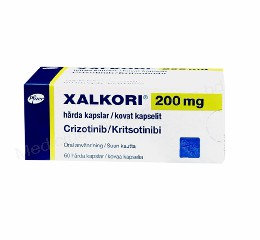
Although crizotinib is not an anti-angiogenic drug, its effect can still indirectly affect the angiogenesis process of tumors. By inhibiting tumor cell growth, crizotinib may cause tumor cell apoptosis, thereby reducing the tumor's need for blood vessels. In some cases, inhibition of tumor growth may affect the number and structure of tumor blood vessels, but this effect is different from the mechanism by which anti-angiogenic drugs act directly on angiogenesis.
Therefore, crizotinib differs from anti-angiogenic drugs in its mechanism of action and therapeutic targets. It inhibits tumor growth mainly by targeting specific receptors within cancer cells, while anti-angiogenic drugs inhibit tumor growth by affecting the blood supply of tumors. Although the therapeutic effects of the two may overlap in some aspects, they belong to different categories of drugs and their mechanisms of action also have their own characteristics.
Reference materials:https://go.drugbank.com/drugs/DB08865
[ 免责声明 ] 本页面内容来自公开渠道(如FDA官网、Drugs官网、原研药厂官网等),仅供持有医疗专业资质的人员用于医学药学研究参考,不构成任何治疗建议或药品推荐。所涉药品可能未在中国大陆获批上市,不适用于中国境内销售和使用。如需治疗,请咨询正规医疗机构。本站不提供药品销售或代购服务。


