
.jpeg)
Structural formula and common specifications of aprocitentan
Aprocitentan is a drug used to treat high blood pressure. It belongs to the angiotensin receptor antagonist (ARBs) class of drugs. It acts on angiotensin II receptors to reduce vasoconstriction, thereby lowering blood pressure. The structure and specifications of the drug are an important basis for its use and therapeutic effect.
The chemical structural formula of aprecitentan has a typical molecular feature of angiotensinII receptor antagonist. Its structure consists of an aromatic group, a piperazine ring and a non-peptide angiotensinII receptor antagonist group. This structural design allows aprecitentan to effectively bind to angiotensin II receptors, thereby inhibiting vasoconstriction and achieving the purpose of lowering blood pressure. Specifically, aprecitentan can selectively block AT1-type angiotensin receptors, reduce the contraction of vascular smooth muscle, lower blood pressure, and has a longer-lasting effect than common ARBs.
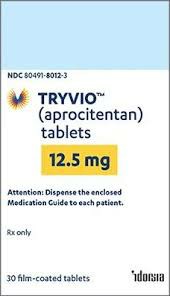
Regarding common specifications, aprecitentan is mainly sold in oral dosage forms. Common specifications are 12.5mg and 25mg tablets. Based on the needs of different patients, doctors will adjust the dosage based on the severity of the condition and the patient's individual response. During treatment, it is common to start with a lower dose and gradually adjust to the most effective dose for the patient. For some patients with hypertension who require long-term treatment, aprecitentan's stability and efficacy make it a good choice, especially when combined with other antihypertensive drugs.
Aprecitentan's drug strength is designed to provide patients with flexible treatment options. The medication is usually taken once a day, before or after a meal. During treatment, patients need to monitor their blood pressure regularly and adjust the dosage according to the doctor's guidance. It should be noted that although aprecitentan usually has fewer side effects, like other antihypertensive drugs, it may cause some adverse reactions such as hypotension and hyperkalemia, so caution is required during use, especially for patients with renal dysfunction or other cardiovascular diseases.
Reference materials:https://go.drugbank.com/drugs/DB15059
[ 免责声明 ] 本页面内容来自公开渠道(如FDA官网、Drugs官网、原研药厂官网等),仅供持有医疗专业资质的人员用于医学药学研究参考,不构成任何治疗建议或药品推荐。所涉药品可能未在中国大陆获批上市,不适用于中国境内销售和使用。如需治疗,请咨询正规医疗机构。本站不提供药品销售或代购服务。


