
.jpeg)
Is it necessary to maintain the course of treatment for several years after Ixazomib treatment? Treatment cycle and effect
Ixazomib is an oral proteasome inhibitor commonly used to treat patients with multiple myeloma (MM), especially relapsed or refractory cases. It is the first orally available proteasome inhibitor, a property that gives it unique advantages in long-term maintenance therapy. So, do patients receiving ixazomib need to maintain treatment for several years? What are its treatment cycles, durability of efficacy, and principles of use? Below we will analyze it in detail.
From the perspective of treatment mechanism and clinical guidelines, ixazomib can be used as part of combined induction therapy in the treatment of multiple myeloma, and is also commonly used as maintenance therapy after the remission period. Multiple myeloma is a hematological malignancy that is difficult to cure. The goals of treatment are usually to prolong progression-free survival (PFS) and overall survival (OS), and to maintain a better quality of life as much as possible. Studies have found that after initial remission is achieved with induction therapy, if low-dose proteasome inhibitors are continued for maintenance therapy, the disease remission time can be effectively prolonged and the risk of relapse can be reduced.
In clinical studies, such as the TOURMALINE-MM3 trial, the maintenance treatment effect of ixazomib was evaluated after completion of autologous stem cell transplantation (ASCT). This study shows that long-term maintenance treatment with ixazomib can significantly extend the progression-free survival of patients, with the median PFS extended by about 6 months. More importantly, the tolerability of oral ixazomib treatment is better than that of injectable drugs, and the incidence of adverse reactions is lower, mainly including mild to moderate gastrointestinal symptoms, rash, fatigue, etc. Most of them can be alleviated through symptomatic treatment, so it is feasible to carry out long-term treatment.
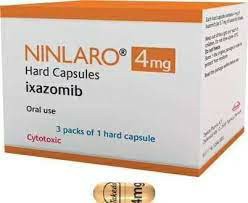
As for the length of the treatment course, it is generally recommended that if the patient's condition is stable and the drug is tolerated, the maintenance treatment can last from 18 months to 2 more than 2 years, and even maintenance treatment can be considered for 3 years or more. However, this is not a one-size-fits-all standard. The specific course of treatment should be comprehensively judged based on individual efficacy, whether side effects occur, the patient's overall health status, and the doctor's evaluation. For example, for patients who are at higher risk or have minimal residual disease (MRD) positivity, long-term maintenance may be more valuable. However, if some patients experience worsening of side effects or signs of drug resistance during treatment, the regimen needs to be adjusted in a timely manner or even discontinued.
In addition, whether the efficacy of ixazomib can be maintained for several years after treatment is also related to whether it is combined with other drug treatments. In practical applications, ixazomib is often combined with lenalidomide (lenalidomide), dexamethasone and other drugs are used in combination. This three-drug combination has demonstrated excellent deep remission rates and sustained remission capabilities in multiple clinical studies. If the patient's initial response is good, continuing to use ixazomib alone or alternately with other drugs during maintenance treatment can often effectively inhibit the progression of the disease and achieve longer-term disease control.
In general, the treatment cycle of ixazomib is highly individualized. For some patients, a maintenance period of about 1 year after initial treatment may be sufficient to achieve a longer remission period, while other patients may require a longer course of treatment to control the disease. No matter what the situation is, it is necessary to regularly monitor disease indicators, such as Mprotein levels, bone marrow examination, MRD status, etc., under the long-term management of professional hematologists in order to make rational medication decisions. For qualified patients, continued maintenance treatment for several years is not unfeasible and may lead to longer disease remission time and better survival prognosis.
Reference materials:https://www.ninlaro.com/
[ 免责声明 ] 本页面内容来自公开渠道(如FDA官网、Drugs官网、原研药厂官网等),仅供持有医疗专业资质的人员用于医学药学研究参考,不构成任何治疗建议或药品推荐。所涉药品可能未在中国大陆获批上市,不适用于中国境内销售和使用。如需治疗,请咨询正规医疗机构。本站不提供药品销售或代购服务。


