
.jpeg)
Can I stop taking Afatinib at will?
Afatinib (Afatinib) is a targeted drug commonly used to treat EGFR mutated non-small cell lung cancer (NSCLC). It is an irreversible tyrosine kinase inhibitor (TKI). Although the efficacy of afatinib is remarkable, whether the drug can be stopped at will is an issue that needs to be treated with caution. The decision to discontinue medication should be made by the doctor based on the patient's specific situation and cannot be stopped at will.
Afatinib prevents the proliferation and spread of tumor cells by inhibiting the signaling pathways associated with EGFR (epidermal growth factor receptor) mutations. Due to the specificity of this mechanism of action, afatinib plays a key role in patients' cancer treatment. Continuity during treatment is critical to inhibiting the growth of cancer cells. Discontinuation of the drug at will may lead to tumor recurrence or worsening of the disease, especially in patients who have a good response to afatinib. Many studies have shown that recurrence rates are higher after discontinuation of treatment, so sudden discontinuation of treatment may allow tumors to resume growth regardless of the effectiveness of treatment.
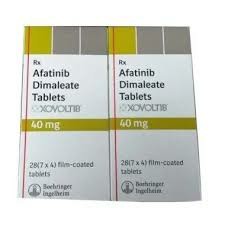
During treatment with afatinib, patients may experience some side effects, such as rash, diarrhea, loss of appetite, etc. If the side effects are too severe, some patients may consider stopping the medication. However, this practice is not recommended except under the guidance of a doctor. Depending on the severity of the side effects, the doctor may adjust the dose or change the treatment regimen rather than stopping the drug immediately. Stopping medication without your doctor's approval may lead to a decrease in therapeutic effect, and may even cause the tumor to develop drug resistance, making subsequent treatment more difficult.
As treatment progresses, some patients may develop resistance to afatinib. Drug resistance usually manifests as a weakened or ineffective response of tumor cells to drugs. Even so, drug resistance does not mean that treatment can be stopped immediately, but treatment strategies need to be adjusted according to the specific gene mutation type or resistance mechanism. If not adjusted promptly, tumors may become more difficult to treat. Therefore, when faced with the problem of drug resistance, patients should discuss with their doctors to develop a personalized treatment plan instead of stopping medication at will.
During afatinib treatment, patients need to undergo regular imaging examinations and blood tests to evaluate the treatment effect and detect side effects in a timely manner. If serious side effects occur, your doctor may temporarily stop the medication and adjust your treatment plan. As for changes in the patient's condition, doctors will conduct personalized management based on the actual situation. Therefore, patients should maintain close communication with their doctors, carry out treatment according to medical instructions, and avoid stopping medication or interrupting treatment on their own.
References:https://www.giotrif.com/
[ 免责声明 ] 本页面内容来自公开渠道(如FDA官网、Drugs官网、原研药厂官网等),仅供持有医疗专业资质的人员用于医学药学研究参考,不构成任何治疗建议或药品推荐。所涉药品可能未在中国大陆获批上市,不适用于中国境内销售和使用。如需治疗,请咨询正规医疗机构。本站不提供药品销售或代购服务。


