
.jpeg)
What is the difference between ixazomib and bortezomib? The difference between the two treatments
Ixazomib (Ixazomib) and bortezomib (Bortezomib) are both proteasome inhibitor anti-tumor drugs used to treat multiple myeloma (MM). They have certain similarities in their mechanisms of action, but there are obvious differences in chemical structure, administration methods, adverse reactions and clinical use scenarios. Understanding the differences between these two drugs can help patients and doctors make more appropriate medication choices in actual treatment.
First of all, from the perspective of drug structure and mechanism of action, although they are both proteasome inhibitors, they belong to different generations of drugs. Bortezomib is a first-generation proteasome inhibitor. Its target is the β5 subunit of the 26S proteasome. It can inhibit the protein degradation function in tumor cells and induce tumor cell apoptosis. Ixazomib is a second-generation reversible proteasome inhibitor that also targets the β5 subunit, but its chemical structure is an orally available borate ester, with better stability and targeting, and higher bioavailability. Due to structural optimization, the distribution and duration of action of ixazomib in the body are more stable, which is beneficial to improving efficacy and reducing side effects.
Secondly, there are significant differences between the two in terms of administration methods. Bortezomib must be administered by subcutaneous injection or intravenous injection. The dosing period and frequency are strict, and patients usually need to go to the hospital or outpatient department for injection. In contrast, ixazomib is an oral capsule formulation, which significantly improves patients' medication compliance and quality of life. Patients can complete treatment at home, which greatly reduces the frequency of medical treatment and reduces the occupation of medical resources. It is also more suitable for people with chronic long-term treatment.
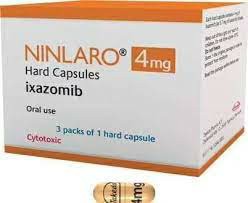
There are also differences between the two in terms of adverse reactions. The most common side effects of bortezomib include peripheral neuropathy (such as numbness and tingling in the hands and feet), thrombocytopenia, fatigue, and gastrointestinal reactions. In particular, neurotoxicity is common and highly cumulative, limiting its long-term use. Although ixazomib may also cause similar adverse reactions, such as fatigue, nausea, diarrhea, cytopenia, etc., its neurotoxicity is relatively mild and is more suitable for patients who are intolerant to bortezomib or who need to discontinue the drug due to side effects to continue receiving proteasome inhibitor treatment. In addition, as an oral drug, ixazomib has slightly more gastrointestinal adverse reactions, but the overall controllability is better.
Finally, in terms of clinical application strategies, the two are often used in different treatment stages or patient populations. Bortezomid is used as a first-line regimen for newly treated patients, especially in combination with lenalidomide and dexamethasoneVRD regimen, which has become one of the standard treatments. Ixazomib is more commonly used in patients with relapsed or refractory multiple myeloma, especially those who have received bortezomib but have developed drug resistance or adverse reactions. The U.S. Food and Drug Administration has approved ixazomib in combination with lenalidomide and dexamethasone for adult patients with multiple myeloma who have received at least one prior therapy. The oral form also shows great potential in the field of maintenance treatment, and some studies believe it is suitable for long-term treatment to delay disease progression.
Generally speaking, although ixazomib and bortezomib belong to the same class of drugs, they have their own advantages in terms of administration methods, adverse reactions, usage scenarios, etc. due to different generations. When formulating treatment plans, clinicians should make a comprehensive judgment based on the patient's disease stage, previous treatment history, drug resistance, and individual tolerance to drugs. For patients who are intolerant to injections and have high needs for long-term maintenance treatment, ixazomib provides a more convenient treatment option with lower side effects.
Reference materials:https://www.ninlaro.com/
[ 免责声明 ] 本页面内容来自公开渠道(如FDA官网、Drugs官网、原研药厂官网等),仅供持有医疗专业资质的人员用于医学药学研究参考,不构成任何治疗建议或药品推荐。所涉药品可能未在中国大陆获批上市,不适用于中国境内销售和使用。如需治疗,请咨询正规医疗机构。本站不提供药品销售或代购服务。


