
.jpeg)
How should the correct usage and dosage of venetoclax (venetoclax) be arranged?
Venetoclax (Chinese trade name: Venetoclax) is an oral BCL-2 inhibitor that is widely used to treat a variety of hematological malignancies, such as chronic lymphocytic leukemia ( CLL), small lymphocytic lymphoma (SLL), and certain types of acute myeloid leukemia (AML). BCL-2 is an anti-apoptotic protein that is highly expressed in many tumor cells, allowing tumor cells to evade clearance by the immune system. Venetoclax achieves its therapeutic purpose by specifically inhibiting BCL-2 and promoting tumor cell apoptosis. In order to ensure drug efficacy and reduce side effects, rational arrangement of medication regimens is key.
1. Standard usage and starting dose of venetoclax
The dosage of venetoclax varies depending on the disease being treated. In the treatment of chronic lymphocytic leukemia (CLL) or small lymphocytic lymphoma (SLL), a "step-up" approach is often used to initiate treatment. The standard dose escalation schedule is as follows:
Day 1: 20mg
Day 2: 50mg
Day 3: 100mg
Day 4: 200mg
Day 5 and beyond: 400mg once daily
This escalation schedule, often called "dose escalation," is primarily intended to reduce the risk of tumor lysis syndrome (TLS). TLSIt is a severe metabolic disorder caused by the massive rupture of tumor cells and the release of their contents. It can lead to hyperuricemia, hyperkalemia, hyperphosphatemia, hypocalcemia, etc. If not treated in time, it can be life-threatening.
For patients with certain types of acute myeloid leukemia (AML), venetoclax is often combined with azacitidine (Azacitidine), decitabine (Decitabine) or low-dose cytarabine (LDAC). The recommended dose for patients with AML is usually once daily, and the dose may vary from 100 mg to 400 or 600 mg, depending on the combination and patient tolerance.
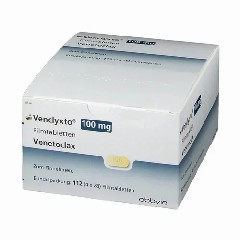
2. Medication method and time arrangement
Venetoclax should be taken by mouth once daily at the same time and is recommended with a meal, especially a high-fat meal, to aid absorption of the drug. Capsules or tablets should be swallowed whole and never chewed, crushed, or broken apart. If the patient experiences vomiting and the vomiting occurs within a short period of time after taking the medicine, he or she should consult a doctor whether he or she needs to take a supplementary dose.
In addition, patients should be closely monitored for renal function, electrolyte levels, and white blood cell counts during the initial phase, especially during the dose escalation period and during the setting of a large leukemia burden. Doctors will usually arrange for regular blood tests and may recommend hospitalization for observation during certain dosage phases so that potential complications can be dealt with in a timely manner.
3. Auxiliary preprocessing andTLSPreventive measures
Before starting venetoclax, doctors usually arrange some pretreatment measures, especially in patients with CLL or AML to prevent tumor lysis syndrome, including:
Rehydration: Give intravenous or oral rehydration before starting the drug and during dose escalation.
Uric acid-lowering drugs: such as allopurinol or febuxostat, used to lower blood uric acid levels.
Frequent blood tests: Monitor blood biochemical indicators every day or every two days to assessTLS risk.
For high-risk TLS patients, such as those with large tumor burden and renal insufficiency, hospitalization may be recommended for monitoring during the dose escalation phase.
4. Maintenance treatment and course management
Once the target maintenance dose is reached (usually 400mg/day), patients should continue taking the medication every day until disease progression or unacceptable toxicity occurs. In indications such as CLL, some treatment options may be set to a fixed time course (such as combined obinutuzumab treatment24 months), and AML’s venetoclax treatment course is usually continued with combined chemotherapy until disease remission and maintenance, and the treatment course is more flexible.
If serious adverse reactions (such as neutropenia, thrombocytopenia, serious infection, etc.) occur during the maintenance treatment phase, the medication should be suspended, the dose reduced, or the treatment rhythm should be adjusted according to the doctor's guidance, and avoid stopping the medication on your own or adjusting the dose without authorization.
Venetoclax is a highly targeted and highly effective anti-cancer drug, but its treatment process must strictly follow the medication plan prescribed by the doctor, especially the dose escalation and TLS prevention links cannot be ignored. Patients should regularly check their physical condition while taking medication and closely cooperate with their doctors to adjust medication strategies to ensure that the therapeutic effect is achieved while minimizing the risk of side effects. If you are considering venetoclax treatment, it is recommended that you carry out a detailed risk assessment and prepare appropriate support measures before starting.
Reference materials:https://www.venclexta.com/
[ 免责声明 ] 本页面内容来自公开渠道(如FDA官网、Drugs官网、原研药厂官网等),仅供持有医疗专业资质的人员用于医学药学研究参考,不构成任何治疗建议或药品推荐。所涉药品可能未在中国大陆获批上市,不适用于中国境内销售和使用。如需治疗,请咨询正规医疗机构。本站不提供药品销售或代购服务。


