
.jpeg)
What precautions should I take while taking Afatinib?
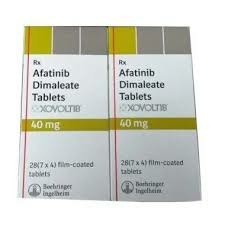
Afatinib (Afatinib) is a second-generation EGFR (epidermal growth factor receptor) tyrosine kinase inhibitor (TKI), mainly used to treat patients with non-small cell lung cancer (NSCLC) carrying EGFR gene mutations. Compared with the first-generation targeted drugs, afatinib is more effective in inhibiting drug-resistant mutations and is widely used in the first-line treatment of EGFR mutation-positive lung cancer patients. While taking afatinib, patients need to pay attention to many aspects in order to ensure efficacy and safety.
First of all, afatinib should be taken regularly as directed by your doctor. It is recommended to take it on an empty stomach at the same time every day, that is, at least one hour before a meal or two hours after a meal to ensure the absorption effect of the drug. The dosage is usually 40 milligrams per day, but the specific dose should be adjusted by the doctor based on the patient's individual tolerance and response to treatment. If a patient experiences serious adverse reactions while taking the medication, such as persistent diarrhea, rash or stomatitis, the doctor may recommend suspending the medication or reducing the dose. Do not change the dose or stop the medication without authorization.
Secondly, common side effects of afatinib include diarrhea, skin reactions (such as acne-like rashes), oral ulcers, brittle or deformed nails, etc. Most of these side effects appear early in treatment and can usually be alleviated through symptomatic treatment. For example, diarrhea is one of the most common adverse reactions and may lead to dehydration and electrolyte imbalance if not treated promptly. Patients are advised to use antidiarrheal drugs, such as loperamide, as soon as possible when diarrhea occurs, and to maintain adequate fluid intake. In terms of skin management, you should avoid using irritating cosmetics, use sunscreen and wear long-sleeved clothing when going out to reduce ultraviolet exposure. At the same time, you can use topical anti-inflammatory drugs or oral antibiotics under the guidance of a doctor to relieve symptoms.
In addition, regular reviews should be carried out while taking afatinib, including liver and kidney function, blood routine and electrocardiogram. In particular, patients with abnormal liver function or those with other comorbidities need to be monitored more carefully. Afatinib may have a certain impact on liver function, so it is necessary to pay close attention to changes in transaminase, bilirubin and other indicators. If significant abnormalities in liver function occur, the doctor may recommend suspending the medication or changing the treatment plan.
In terms of diet, it is not recommended to consume grapefruit and its products while taking the drug, because grapefruit will affect the metabolism of afatinib, thereby increasing the drug concentration and exacerbating side effects. Patients should maintain a light diet and avoid greasy, spicy, raw and cold foods to reduce irritation to the gastrointestinal tract. It is also recommended to consume more foods rich in protein and vitamins, which can help improve physical strength and immunity and enhance treatment tolerance.
It is important to note that afatinib has potential effects on fertility. Pregnancy or breastfeeding is not recommended during the medication and for a period of time after discontinuation of the medication. For women of childbearing age, they need to take effective contraceptive measures while taking the medicine and consult a doctor for professional advice before planning pregnancy. In addition, if patients are taking other drugs or health products, they should inform their doctors in advance to avoid interactions between drugs that may affect efficacy or safety.
In short, afatinib is a targeted therapy with clear efficacy, but its treatment process requires close cooperation between patients and doctors. Through scientific and standardized medication management, active treatment of adverse reactions, and reasonable lifestyle adjustments, the therapeutic advantages of drugs can be maximized and the progression-free survival and overall survival time of patients can be prolonged. For patients who are being treated with afatinib, it is recommended to maintain regular communication with the attending physician, and seek medical attention promptly if any abnormal reactions occur to ensure the smooth progress of the treatment process and the continued improvement of the quality of life.
References:https://www.giotrif.com/
[ 免责声明 ] 本页面内容来自公开渠道(如FDA官网、Drugs官网、原研药厂官网等),仅供持有医疗专业资质的人员用于医学药学研究参考,不构成任何治疗建议或药品推荐。所涉药品可能未在中国大陆获批上市,不适用于中国境内销售和使用。如需治疗,请咨询正规医疗机构。本站不提供药品销售或代购服务。


