
.jpeg)
How long does it take for skin to return to normal after using clofazimine?
Clofazimine (Clofazimine) is a phenazine drug with antibacterial and anti-inflammatory properties. It is mainly used to treat leprosy and partially drug-resistant mycobacterial infections. One of the most concerning side effects in clinical use is skin pigmentation, especially dark red or dark brown discoloration. During the treatment process, many patients will gradually experience darker skin, conjunctiva, and even sweat. Although this situation will not cause substantial damage to physical health, it may have a greater impact on the patient's psychological and social status. Therefore, "How long does it take for the skin to return to normal" has become a common concern among patients.
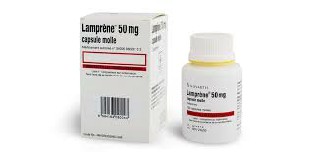
The mechanism of skin discoloration is mainly related to the deposition of clofazimine in skin tissue. Because the drug has high fat solubility, it is preferentially stored in fat-rich areas such as the skin and subcutaneous tissue. As the treatment time prolongs, the concentration of the drug in the skin gradually increases, resulting in more obvious pigmentation, especially in areas with frequent sun exposure. This discoloration is not permanent, but recovery is usually slow. In general, after stopping clofazimine, it may take several months or even up to a year or two for the skin color to gradually return to its original state.
The speed of skin recovery varies from person to person and is mainly affected by several factors. The first is the total time of drug use and cumulative dose. Long-term high-dose users usually take longer to eliminate the drug from the body. The second factor is the patient’s metabolic rate and individual constitution. People with better liver and kidney function and faster metabolism will recover relatively quickly. In addition, the thickness of the skin itself, blood flow conditions, and exposure also affect the dispersion of pigmentation. Generally speaking, pigment recovery in exposed areas such as the face and arms is slightly slower, while areas with thinner skin may show signs of fading earlier.
It is worth reminding that there is currently no specific drug that can directly accelerate the fading of pigmentation caused by clofazimine, so the most important thing is to wait patiently for the skin to recover naturally.
Reference materials:https://www.novartis.com/our-products/pipeline/clofazimine
[ 免责声明 ] 本页面内容来自公开渠道(如FDA官网、Drugs官网、原研药厂官网等),仅供持有医疗专业资质的人员用于医学药学研究参考,不构成任何治疗建议或药品推荐。所涉药品可能未在中国大陆获批上市,不适用于中国境内销售和使用。如需治疗,请咨询正规医疗机构。本站不提供药品销售或代购服务。


