
.jpeg)
How to stipulate the usage and dosage standards of enzalutamide/enzalutamide?
Enzalutamide/Enzalutamide (Enzalutamide) is an oral androgen receptor inhibitor that is widely used to treat metastatic castration-resistant prostate cancer (mCRPC) and non-metastatic castration-resistant prostate cancer (nmCRPC). Clinically, the routine recommended dose for adults is 160 mg taken orally once daily, usually divided into four 40 mg capsules and taken simultaneously. Enzalutamide can be taken with or without food and is not affected by diet. The drug delays tumor growth and disease progression by highly selectively inhibiting androgen receptor function. When taking the medicine, it is recommended to take it at the same time every day to keep the blood concentration stable.
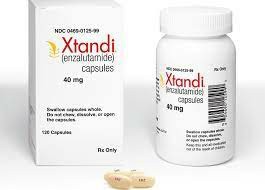
In addition, some patients with a history of epilepsy or severe liver damage require special evaluation of their tolerance, and may need to adjust the dose or use other regimens. Enzalutamide treatment should be guided by experienced urological oncologists, and prostate-specific antigen (PSA) levels, imaging examinations, and side effects must be measured regularly to ensure efficacy and safety. While taking this medication, patients should also continue to be androgen-deprived, such as receiving luteinizing hormone-releasing hormone (LHRH) agonist therapy or orchiectomy. It is worth noting that the metabolism of this drug mainly relies on liver enzymes CYP2C8 and CYP3A4, so potential drug interactions need to be evaluated when combining other drugs, especially anti-epileptic drugs, blood thinners, etc.
It is also recommended in clinical practice that when patients initially experience adverse reactions, such as fatigue, dizziness, loss of appetite, etc., they may consider temporarily reducing the dose or discontinuing the drug for a short period, and then gradually return to the standard dose after the symptoms improve. In short, enzalutamide, as an oral therapeutic drug for precise intervention in prostate cancer, has clear dosage standards, but the specific usage still needs to be reasonably adjusted and managed based on individual differences and disease progression.
Reference materials:https://www.xtandi.com/
[ 免责声明 ] 本页面内容来自公开渠道(如FDA官网、Drugs官网、原研药厂官网等),仅供持有医疗专业资质的人员用于医学药学研究参考,不构成任何治疗建议或药品推荐。所涉药品可能未在中国大陆获批上市,不适用于中国境内销售和使用。如需治疗,请咨询正规医疗机构。本站不提供药品销售或代购服务。


