
.jpeg)
Is there a difference between ruxolitinib tablets and ruxolitinib ointment?
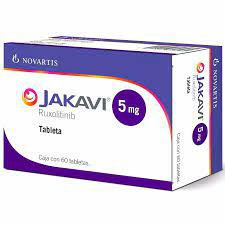
Although Ruxolitinib tablets/JAKAVI and Ruxolitinib Opzelura contain the same active ingredient, Ruxolitinib, they are significantly different in terms of pharmaceutical dosage form, indications, usage and mechanism of action, which also means that their clinical uses are not interchangeable. Ruxolitinib tablets are a systemic oral drug mainly used in hematological diseases, such as myelofibrosis (MF), polycythemia vera (PV) and graft-versus-host disease (GVHD). Ruxolitinib cream is a topical ointment preparation that has been approved for the treatment of mild to moderate vitiligo and mild to moderate atopic dermatitis. It is the latest expansion of ruxolitinib in the field of dermatology.
Ruxolitinib tablets enter the body through oral administration and act on the JAK1 and JAK2 signaling pathways to regulate abnormal cell differentiation and inflammatory responses in the hematopoietic system from the source. Its treatment focuses on systematically controlling disease development, such as improving spleen enlargement, controlling chronic inflammatory conditions, and improving patients' quality of life. It is especially suitable for patients with medium-to-high-risk myelofibrosis or other myeloproliferative diseases. Because the drug is distributed throughout the body, routine blood tests need to be monitored regularly to assess possible side effects, such as anemia, thrombocytopenia, or the risk of infection caused by immunosuppression.
In contrast, ruxolitinib cream is mainly used in the field of skin disease treatment. Its original purpose of research and development is to alleviate inflammation by locally inhibiting excessive immune responses in the epidermis and dermis, thereby improving skin disease symptoms. In patients with vitiligo, ruxolitinib cream can help restore pigmentation, thereby reducing appearance problems caused by depigmentation; while in atopic dermatitis, it can effectively relieve itching, erythema, and inflammatory reactions by suppressing local immune responses. Ruxolitinib cream is designed to be highly effective locally and have low systemic side effects. Therefore, its systemic absorption rate is much lower than that of oral ruxolitinib tablets, which reduces the impact on the liver and bone marrow and is less likely to cause severe immunosuppression.
Although they share the same target, their pharmacokinetic characteristics, depth of therapeutic mechanism, and breadth of indications are different due to different administration methods. In actual treatment, doctors will decide which dosage form to use based on the patient's disease type, lesion location, and individual tolerance. For example, if the patient has moderate myelofibrosis, the use of ruxolitinib cream will obviously not produce any systemic effect; and if the patient only has localized vitiligo lesions, the use of ruxolitinib tablets may increase the risk of certain side effects.
It should be particularly emphasized that although ruxolitinib cream has been approved for use abroad, it has not been officially launched in mainland China so far, while ruxolitinib tablets have been launched in China and are included in the scope of medical insurance, making it easier for patients with bone marrow-related diseases to use it for a long time. However, for the emerging group of people pursuing appearance improvement or skin disease treatment, the future introduction of ruxolitinib cream in the field of dermatology in China is still widely anticipated. Currently, patients have obtained ruxolitinib cream for vitiligo treatment through Hong Kong or overseas channels. However, such cross-border drug purchases should be through formal channels to ensure drug quality and safety.
Reference materials:https://www.jakavi.com/
[ 免责声明 ] 本页面内容来自公开渠道(如FDA官网、Drugs官网、原研药厂官网等),仅供持有医疗专业资质的人员用于医学药学研究参考,不构成任何治疗建议或药品推荐。所涉药品可能未在中国大陆获批上市,不适用于中国境内销售和使用。如需治疗,请咨询正规医疗机构。本站不提供药品销售或代购服务。


