
.jpeg)
What are the common manifestations of resistance to Pralsetinib?
Pralsetinib is a highly selective targeted drug targeting RET gene fusion mutations. It is mainly used to treat patients with RET fusion-positive tumors such as non-small cell lung cancer (NSCLC) and thyroid cancer. Although the drug has demonstrated significant clinical efficacy, as with most targeted therapies, resistance may develop after long-term use. The development of drug resistance means that tumor cells gradually lose sensitivity to the drug, leading to disease progression or less effective treatment.
Clinical manifestations of platinib resistance usually include: after a period of treatment, the patient's originally shrinking or stable tumors begin to grow again, new metastases appear, or existing lesions continue to progress; at the same time, the patient's tumor marker levels may increase, and imaging examinations may indicate disease recurrence or progression. In addition, some patients may experience clinical re-exacerbation of symptoms that have been relieved, such as recurrence of cough, chest pain, dyspnea or pain.
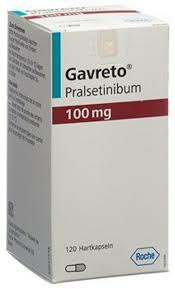
From a molecular mechanism perspective, platinib resistance may be related to secondary mutations in the RET gene (such as RET G810S/C/R), such mutations will change the target structure, making it difficult for the drug to bind and become ineffective; in addition, tumor cells may activate other alternative signaling pathways, such as MET, KRAS or EGFR pathway, thereby bypassing RET inhibition and continuing to grow; in some cases, changes in cancer cell phenotype (such as small cell transformation) can also lead to loss of response to platinib. Targeting these mechanisms, researchers are exploring combination drugs or developing a new generation of RET inhibitors.
In clinical practice, when drug resistance is suspected, doctors usually recommend that patients undergo genetic testing (such asctDNA or tissue biopsy) to clarify the mechanism of drug resistance and guide subsequent treatment strategies. If RET pathway mutations are confirmed to be the main resistance mechanism, you can consider switching to other new-generation RET inhibitors under development or already on the market; if other accompanying pathway activations are found, you can also try combined targeted therapy or switch to chemotherapy, immunotherapy and other options. Resistance does not mean that there is no cure. The key is to accurately identify the cause and make scientific responses.
Reference materials:https://gavreto.com/
[ 免责声明 ] 本页面内容来自公开渠道(如FDA官网、Drugs官网、原研药厂官网等),仅供持有医疗专业资质的人员用于医学药学研究参考,不构成任何治疗建议或药品推荐。所涉药品可能未在中国大陆获批上市,不适用于中国境内销售和使用。如需治疗,请咨询正规医疗机构。本站不提供药品销售或代购服务。


