
.jpeg)
Comparative analysis of the efficacy of ponatinib and Asciminib
Ponatinib (Ponatinib) and Asciminib (Asciminib) are currently used to treat chronic myelogenous leukemia (CM L) important targeted drugs, especially in patients who are resistant to traditional tyrosine kinase inhibitors (TKI) or have the T315I mutation, play a key role. Although both drugs belong to the category of targeted therapy for CML, they have different target mechanisms, indications, efficacy, safety and usage strategies, and are suitable for patients of different types and stages. This article will compare the efficacy of ponatinib and aximinib from multiple dimensions to help patients and clinicians make more scientific treatment choices.
First of all, in terms of mechanism of action, ponatinib is a multi-target third-generation TKI that can effectively inhibit all known BCR-ABL mutation types, including the most difficult-to-treat T315I mutation. It inhibits the activity of ABLkinase by binding to the ATP binding site. The broad spectrum of ponatinib makes it the first choice for patients with strong drug resistance, especially when multiple TKI treatments have failed, it still has significant efficacy. In contrast, aceminib is a STAMP inhibitor (Specifically Targeting the ABL Myristoyl Pocket) is currently the only ABL inhibitor that does not act on the ATP binding site. It adopts a new binding mechanism and targets ABL The myelin site of the kinase bypasses the impact of traditional drug resistance mutations on drug efficacy. Therefore, while having good efficacy against T315I and non-T315I mutations, it also reduces interference with other kinases.
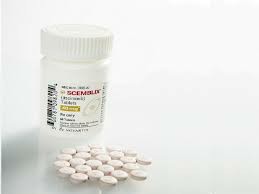
In terms of efficacy, according to published clinical trial data, the main molecular reaction of ponatinib in patients with T315I mutation-positive CML The response (MMR) rate is relatively high, and data shows that its MMR can reach 50%Above, long-term progression-free survival is also better than other TKI. However, ponatinib is more intensive and has more significant side effects, especially a higher risk of adverse events related to arterial thrombosis. In comparison, aceminib has also shown good efficacy in multiple clinical studies (such as the ASCEMBL study), especially after failure of second-generation TKI treatment. In CMLpatients, MMR and complete cytogenetic response (CCyR) were both higher than those in controls, and because of their higher target selectivity, the incidence of side effects was relatively lower. Especially in patients with long-term drug resistance or intolerance to other TKIs, aceminib shows better tolerability.
In terms of safety and tolerability, this is the main dividing line between the two. Although ponatinib has strong efficacy, it requires close monitoring of cardiovascular adverse events, including hypertension, arterial occlusion, cardiac events, etc., so it is not suitable for patients with underlying cardiovascular and cerebrovascular diseases. In order to reduce these risks, more emphasis is placed on individualized dose adjustment and risk screening in clinical practice at this stage. Aceminib, because of its high selectivity, main toxic and side effects include mild gastrointestinal discomfort, increased liver function, etc., has better overall tolerance, and is suitable for a wider group of CML patients, including elderly patients or those with underlying diseases.
Finally, in terms of clinical use strategy, ponatinib is more suitable for high-risk CM that are resistant to multiple TKI or have confirmed T315I mutations. It is a powerful "fire-fighting" weapon for Lpatients; while Asiminib is suitable for "relay-type" treatment after failure of second-generation TKI treatment, and is especially attractive for patients with limited tolerance for side effects or who want long-term maintenance treatment. In addition, high hopes are placed on Aceminib in the future to expand its application in early treatment, combination regimens, and chemotherapy reduction.
In summary, ponatinib and aximinib each have their own advantages. The former is known for its strong inhibition and broad targets, and is suitable for cases with complex mutations and rapid progression; the latter has a novel mechanism and good safety profile, and is suitable for long-term treatment and conversion after drug resistance. Clinical selection should comprehensively consider the patient's mutation type, previous medication history, risk of complications, and overall treatment goals to formulate an individualized treatment plan.
Reference materials:https://www.novartis.com/our-products/pipeline/asciminib
[ 免责声明 ] 本页面内容来自公开渠道(如FDA官网、Drugs官网、原研药厂官网等),仅供持有医疗专业资质的人员用于医学药学研究参考,不构成任何治疗建议或药品推荐。所涉药品可能未在中国大陆获批上市,不适用于中国境内销售和使用。如需治疗,请咨询正规医疗机构。本站不提供药品销售或代购服务。


