
.jpeg)
How effective is Sotorasib in treating advanced pancreatic cancer?
Sotorasib is a targeted drug that is mainly used to treat advanced cancer patients with KRAS G12C gene mutations, especially in non-small cell lung cancer (NSCLC). In recent years, as the understanding of KRAS mutations has gradually deepened, researchers have begun to explore the application of sotoraxib in other types of cancer, especially pancreatic cancer. Pancreatic cancer is an extremely malignant disease with limited treatment options, and patients with advanced stages often face a poor prognosis. In response to this situation, the targeting effect of sotoraxib brings new hope to patients.
1. KRASMutation and pancreatic cancer
KRASGene mutations are drivers of many types of cancer, including non-small cell lung cancer, colorectal cancer, and pancreatic cancer. In pancreatic cancer, KRAS gene mutations are present in approximately 90% of patients, especially KRAS G12C mutations, which are a common mutation type in pancreatic ductal adenocarcinoma. Traditional pancreatic cancer treatments mainly rely on chemotherapy and radiotherapy, but the results of these treatments are often unsatisfactory. With the continuous development of targeted therapy and immunotherapy, treatment of KRAS mutations has become a hot spot in pancreatic cancer research.
2. Research progress of sotoraxib in advanced pancreatic cancer
Sotorasiib, as a KRAS G12C inhibitor, can selectively bind to KRAS G12C mutants and inhibit their activity, thereby preventing the proliferation and growth of cancer cells. Although sotorathib was initially used clinically in non-small cell lung cancer, as research progressed, sotorathib's potential in pancreatic cancer was gradually discovered. Early clinical trials have shown that sotorasiib has a certain therapeutic effect on patients with advanced pancreatic cancer carrying the KRAS G12C mutation. Some patients have stable tumors or even shrinkage after treatment.
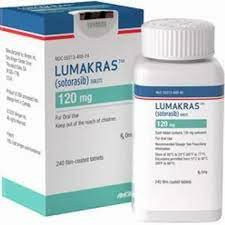
3. Clinical data and effect analysis
In a clinical trial including patients with advanced pancreatic cancer, some carried KRAS G12CPatients with mutations were treated with sotoraxib. Although such clinical trials are still ongoing, preliminary data show that sotoraxib has a significant therapeutic effect on some patients with pancreatic cancer. In some patients, post-treatment imaging shows stable tumors or signs of mild shrinkage, especially those who have not responded to traditional treatments. In addition, some patients reported mild side effects during treatment, indicating that sotoraxib is relatively safe for use in pancreatic cancer.
However, due to the biological characteristics of pancreatic cancer and individual differences among patients, not all patients can achieve significant results after receiving sotorasiib treatment. Even patients with KRAS G12C mutations may be resistant to treatment or have ineffective results. Therefore, the application of sotoracib in pancreatic cancer still needs to be further verified and improved, and more clinical data and trials will help clarify its efficacy and indications.
4. Future Prospects and Challenges of Sotorasibu
Although sotoraxib has shown certain potential in the treatment of pancreatic cancer, its clinical application still faces many challenges. First of all, the treatment of pancreatic cancer requires an individualized plan. Factors such as the patient's genetic mutation, tumor stage, and treatment response will all affect the treatment effect. Second, sotorasiib is only effective in patients who carry the KRAS G12C mutation, so it is important to screen patients for this mutation. Currently, the detection methods for KRAS G12C mutations are still being optimized. How to ensure that patients suitable for treatment are accurately screened will be a major challenge in the future.
In addition, although sotoracib has shown certain efficacy in the treatment of pancreatic cancer, more clinical studies are still needed to verify its effect in a wider patient population, especially how to use it in combination with other treatments (such as chemotherapy, immunotherapy, etc.) to improve the therapeutic effect. As more research data accumulates, sotorasib may become a new treatment option for patients with advanced pancreatic cancer, especially those who have failed to respond to traditional treatments.
In summary, sotorasiib, as a targeted therapy, shows certain therapeutic potential in patients with advanced pancreatic cancer, especially those carrying the KRAS G12C mutation. Although current clinical data are insufficient to fully evaluate its therapeutic effect, preliminary studies suggest that it may provide a new treatment option for some patients. However, due to the complexity of pancreatic cancer and individual patient differences, the efficacy of sotoraxib still needs to be further confirmed through more clinical trials. In the future, it may need to be used in combination with other treatments to improve the effect of treatment and prolong the survival of patients.
Reference materials:https://www.lumakras.com/
[ 免责声明 ] 本页面内容来自公开渠道(如FDA官网、Drugs官网、原研药厂官网等),仅供持有医疗专业资质的人员用于医学药学研究参考,不构成任何治疗建议或药品推荐。所涉药品可能未在中国大陆获批上市,不适用于中国境内销售和使用。如需治疗,请咨询正规医疗机构。本站不提供药品销售或代购服务。


